Christmas is one of the most important times of the year for cities, businesses, hotels, shopping centers, and numerous public and private spaces. During these weeks, lighting goes beyond a purely aesthetic function to become a tool capable of attracting visitors, evoking emotions, and boosting economic activity.
It’s no coincidence that every year, numerous destinations compete to wow visitors with increasingly innovative and spectacular displays. Christmas lighting has become a tourist attraction, a symbol of identity, and a powerful communication tool.
However, creating a truly effective project requires much more than simply installing lights or decorative figures. It is necessary to analyze the space, understand visitor behavior, define clear objectives, and develop a concept capable of delivering a memorable experience.
Choosing the right decorative Christmas lighting means striking a balance between creativity, functionality, sustainability, and technical feasibility.
In this guide, you’ll discover the most important aspects to consider before developing a Christmas lighting project and how to turn it into an element that adds value to your city, business, or establishment.
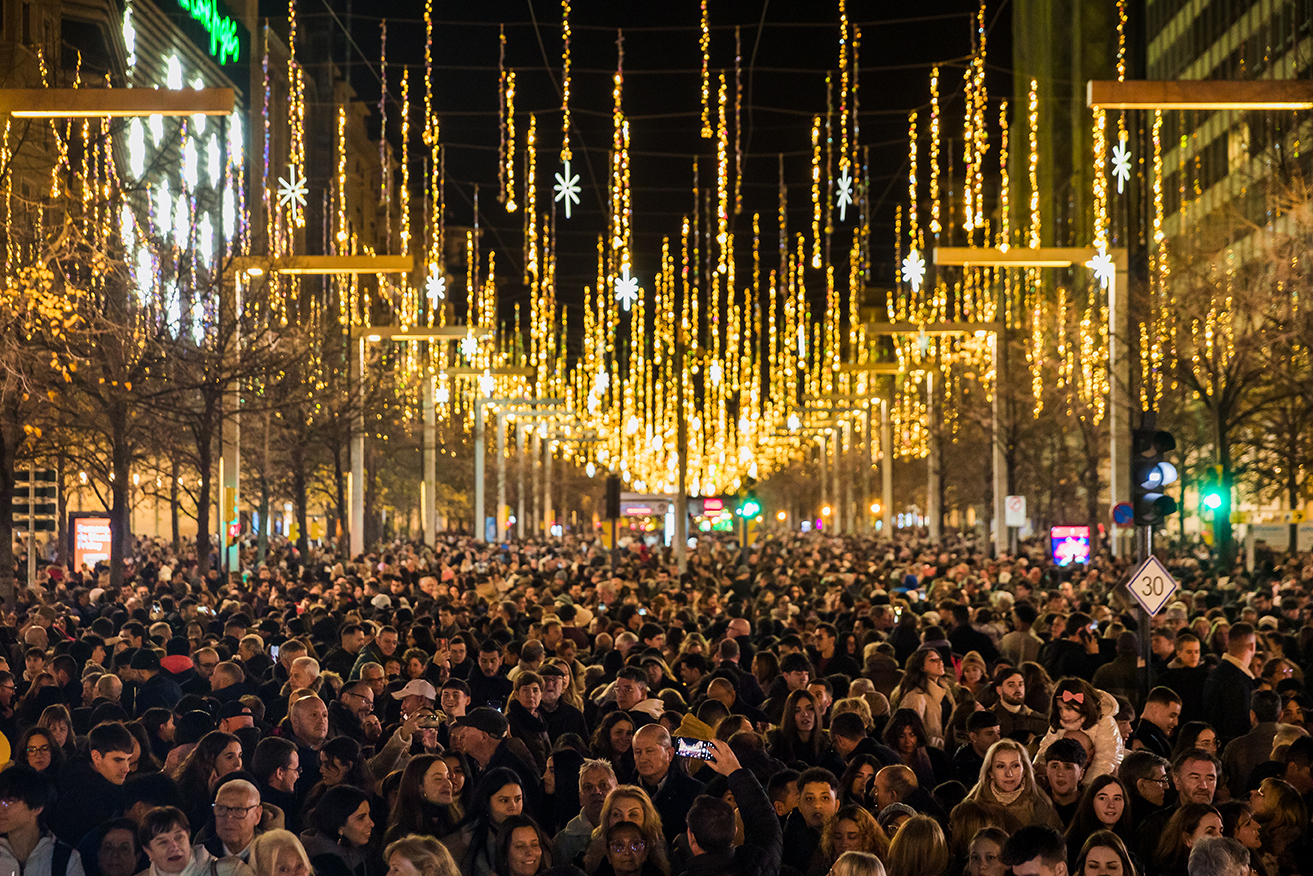
Christmas lighting is no longer just about decoration
For decades, Christmas lighting was seen as a collection of lights intended to beautify streets and squares for a few weeks.
Today, that view has changed completely. Cities are competing to attract visitors. Retailers need to differentiate themselves from e-commerce. Hotels seek to offer memorable experiences. Shopping centers want to become places where people enjoy their free time.
In this new context, Christmas lighting has become a true strategic tool. It’s no longer simply about lighting up a space. It’s about evoking emotions, creating memories, building experiences, strengthening a brand, and boosting the local economy.
A well-designed installation attracts people, encourages them to stay longer, and fosters interaction with their surroundings. That’s why more and more organizations view decorative lighting as an investment rather than just an expense associated with the Christmas season.
Before choosing lighting, define the project’s objective
One of the most common mistakes is to start by selecting illuminated figures or motifs without first defining what you hope to achieve. Without clear objectives, it is very difficult to design a coherent installation.
Every project must align with a specific strategy.
Increasing the Number of Visitors
Many cities and shopping centers use lighting as their primary tool to boost foot traffic during the holiday season.
In these cases, it is essential to create installations that can become attractions in their own right.
Large three-dimensional figures, immersive experiences, and interactive elements help spark interest and encourage visitors from other municipalities to come.
Boost Sales
When the main goal is to stimulate commercial activity, lighting must be integrated into the visitors’ journey.
Simply placing decorative elements is not enough.
It is necessary to design spaces that invite people to stroll, discover new businesses, and extend their time spent in the area.
Experience shows that the longer a person stays in a commercial area, the greater the opportunities for spending.
Strengthening a Destination’s Identity
At other times, the main objective is not merely to attract visitors for a few weeks.
Many cities use Christmas lighting as a tool to strengthen their brand image and position themselves as an attractive destination within the national and international tourism landscape.
In these cases, design takes on fundamental importance.
The lighting must engage with the architecture, heritage, and character of the place.
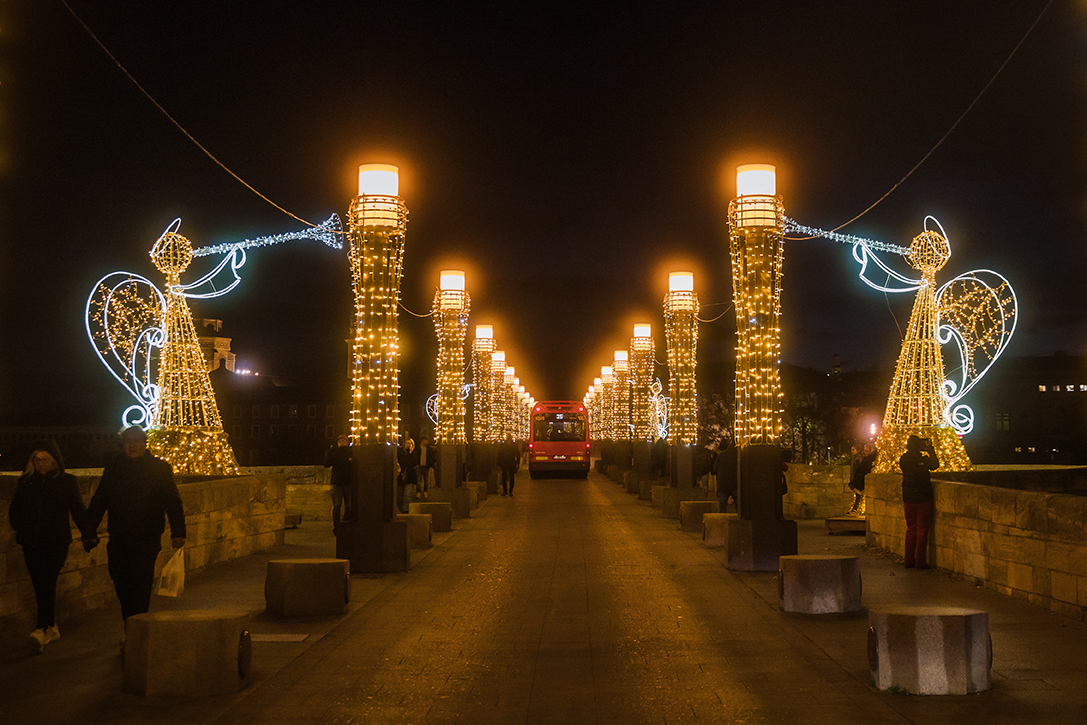
Analyzing the space is the first step toward a successful project
The same installation can yield completely different results depending on where it is located. Therefore, before beginning the design, it is advisable to conduct a detailed analysis of the space.
Not all environments have the same needs. A historic plaza requires a different approach than a shopping center. An urban hotel has different objectives than a resort. A shopping street does not function the same way as a theme park.
Understanding these differences allows for the development of much more effective proposals.
Architecture and Heritage
Lighting must blend in with its surroundings. It should not compete with the existing architecture but rather highlight it. In historic buildings, for example, it is often more effective to opt for elegant designs that respect the heritage character of the space.
Dimensions and Routes
It is also essential to analyze aspects such as:
- Street width.
- Available height.
- Access points.
- Visitor flows.
- Areas of highest concentration.
- Photo spots.
- Retail areas.
- Main routes.
All of this information will determine the lighting layout and help optimize the project’s visual impact.
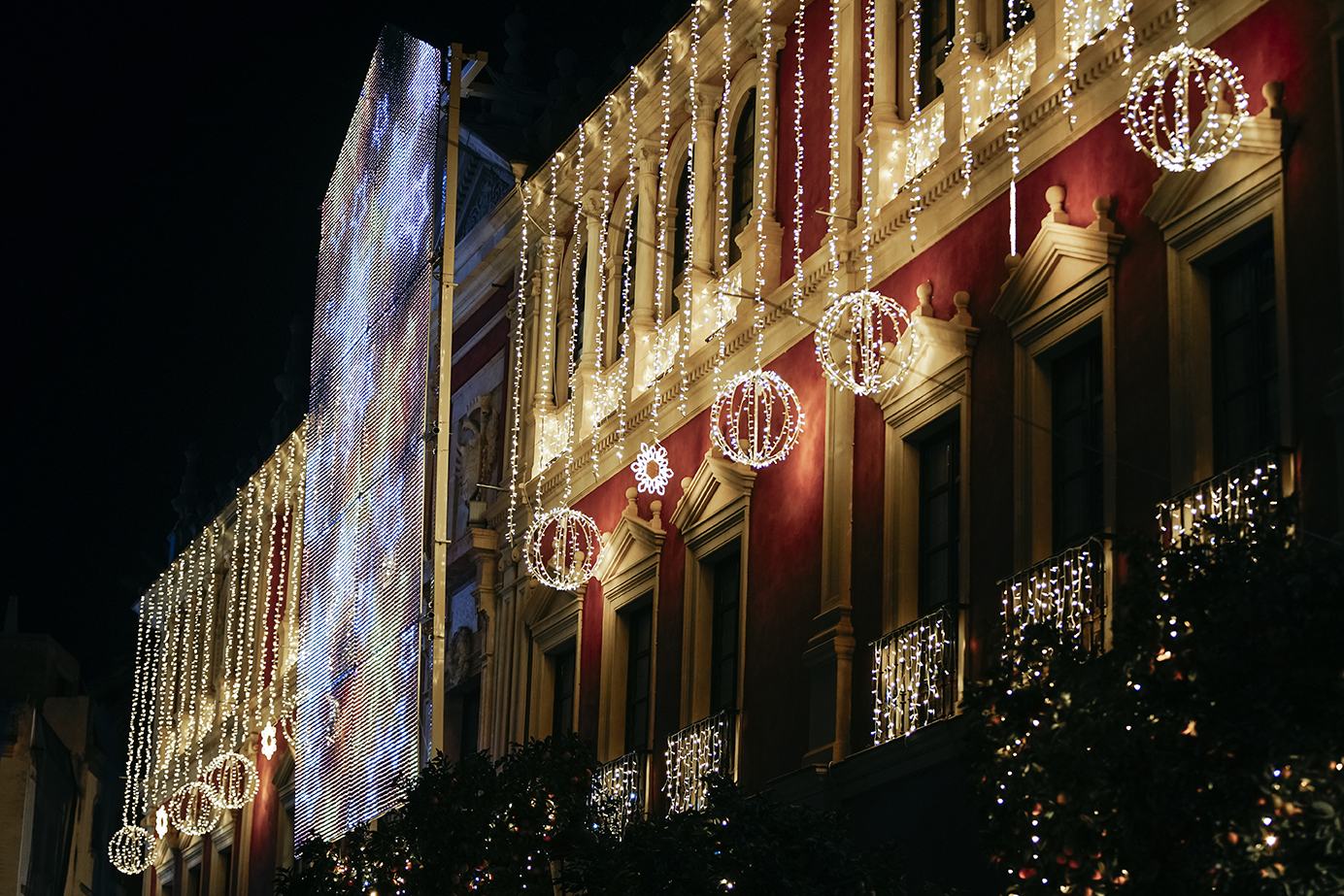
Choosing the Right Type of Lighting for Each Space
Not all installations produce the same effect. Selecting the right decorative elements is key to achieving the project’s objectives.
Suspended or Hanging Lighting
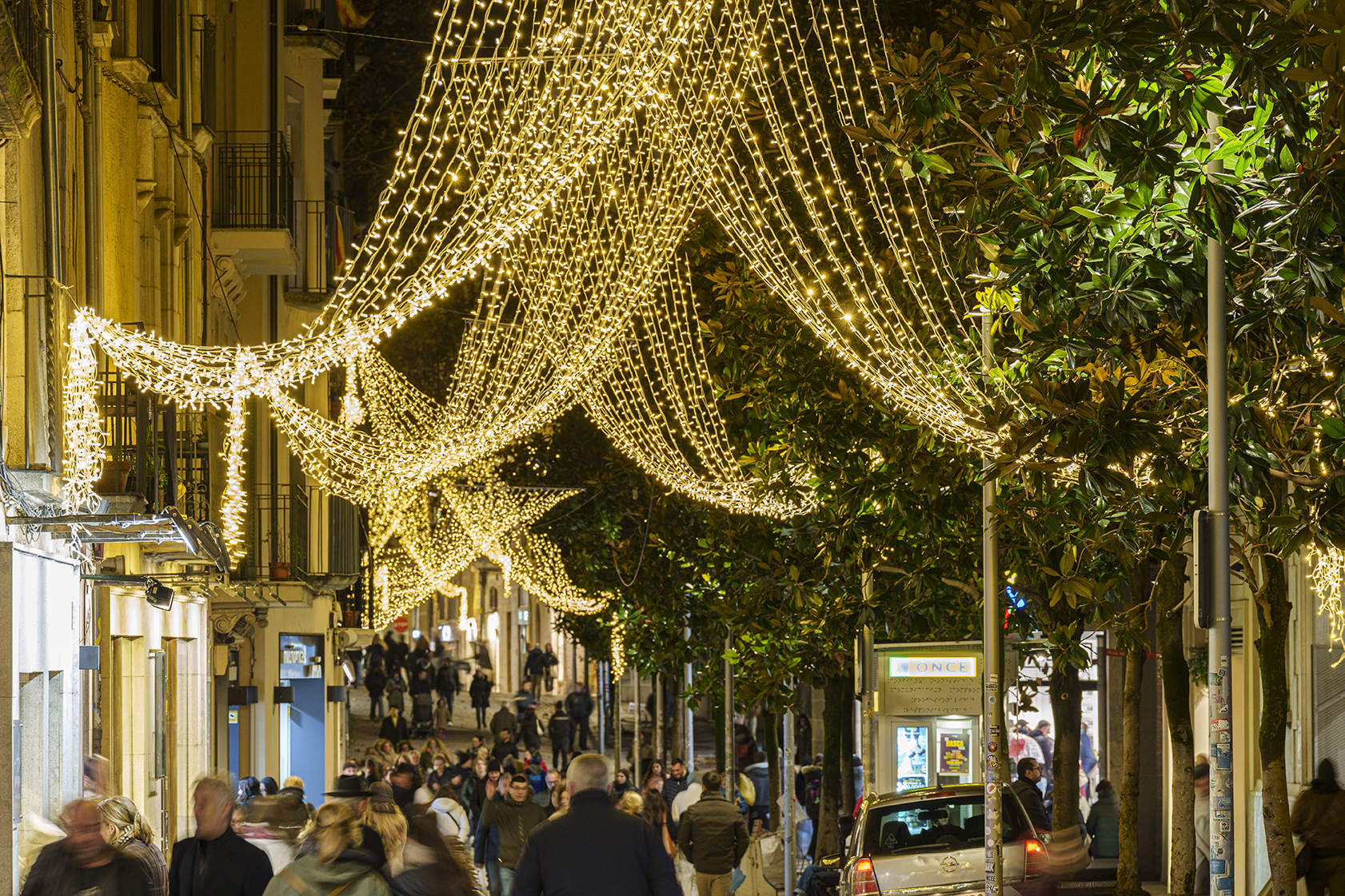
These are among the most commonly used solutions for shopping streets and avenues. They allow for the creation of highly attractive light paths without interfering with pedestrian traffic.
In addition, they help visually unify large urban spaces.
Large Three-Dimensional Figures
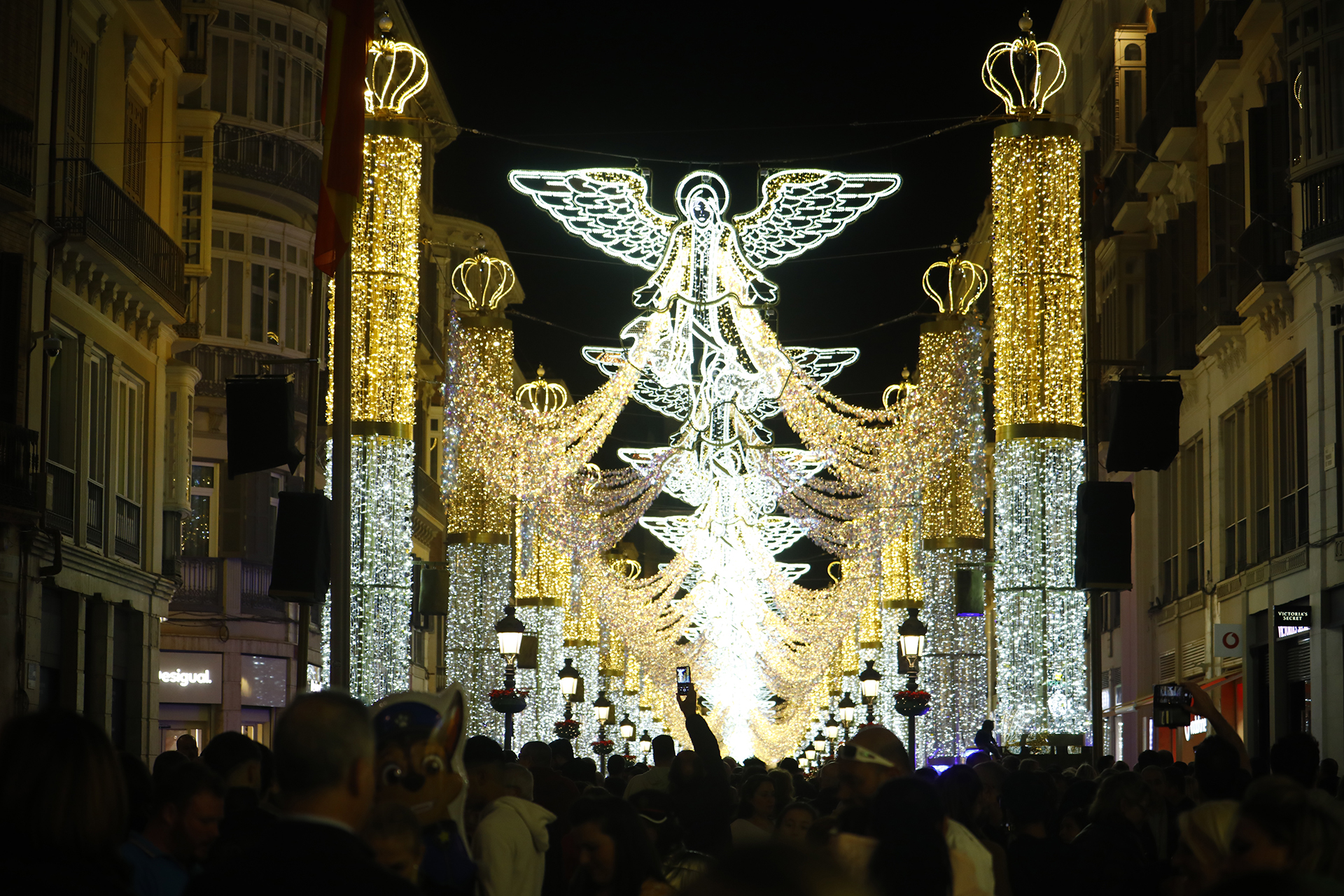
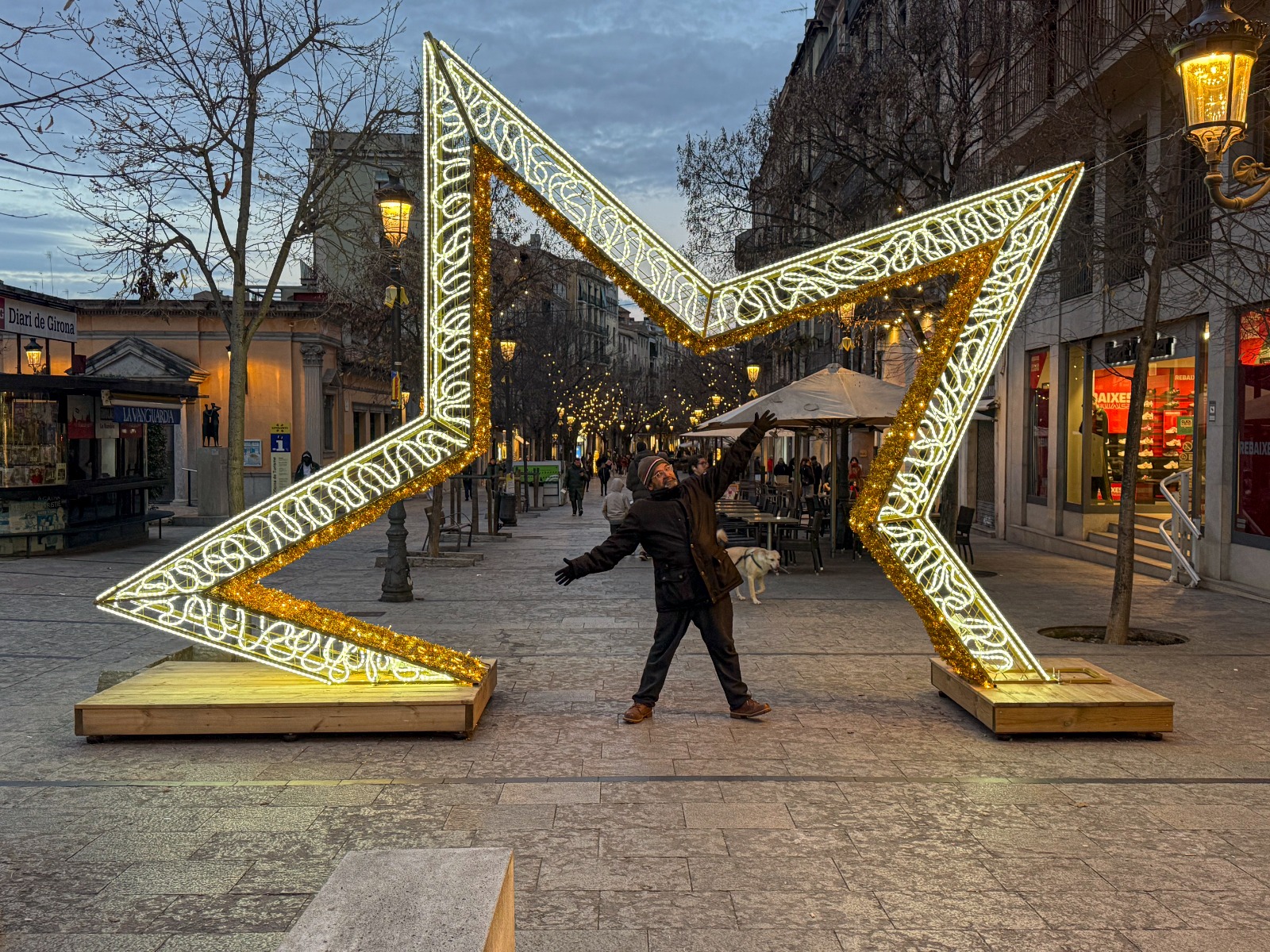
3D structures have become one of the main attractions of Christmas lighting. Their high visual impact and their ability to generate photo opportunities make them a powerful tourist draw.
When strategically placed, they act as true gathering spots and significantly boost the destination’s visibility on social media.
Large-Scale Trees
Monumental Christmas trees remain one of the most iconic elements of Christmas campaigns. Beyond their symbolism, they function as urban landmarks capable of organizing the space and becoming the focal point for numerous activities.
Curtains, garlands, and decorative elements
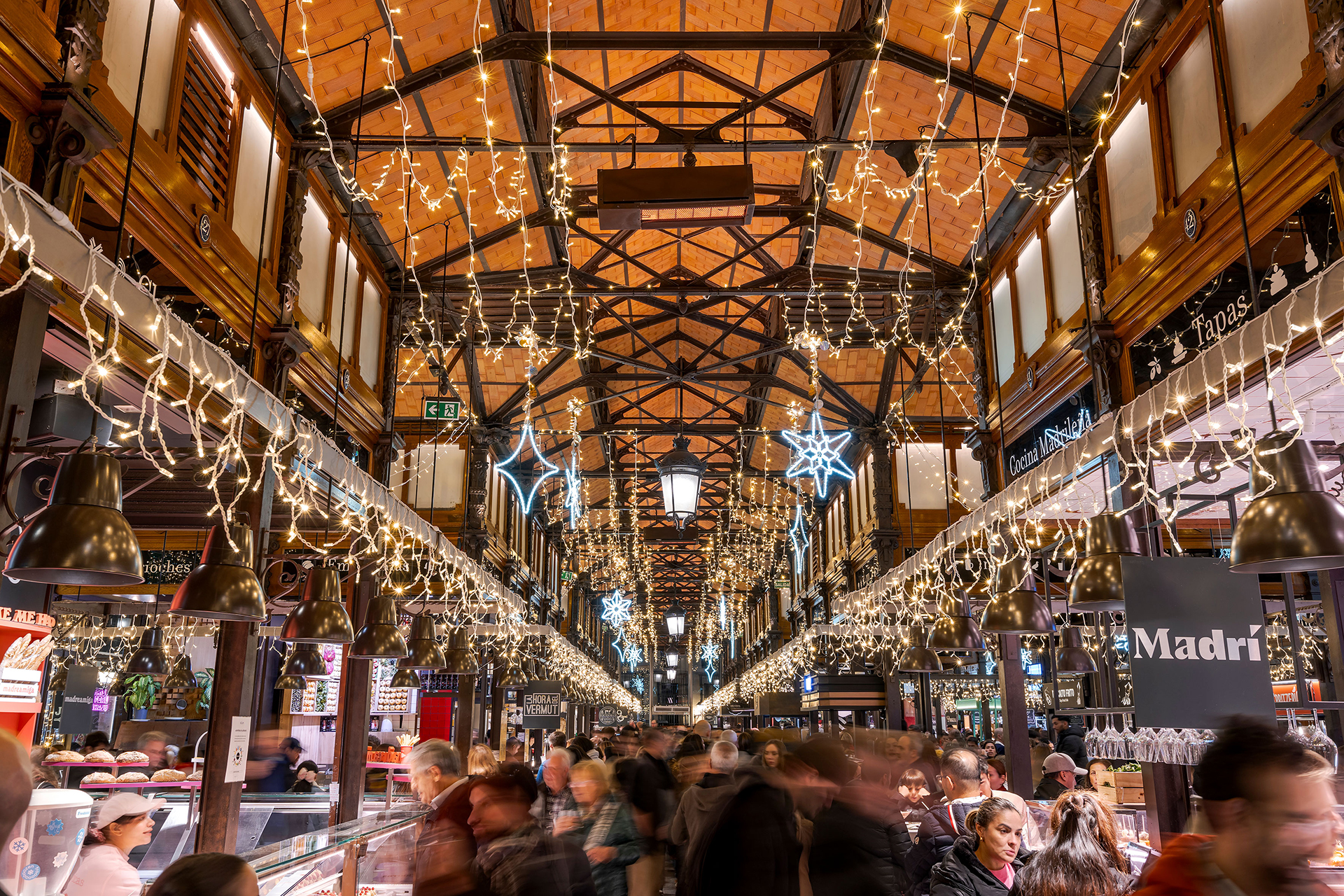
These types of solutions help create warm and elegant atmospheres in urban spaces as well as in hotels, restaurants, and shopping centers. When combined with greenery, architecture, or street furniture, they create particularly welcoming atmospheres.
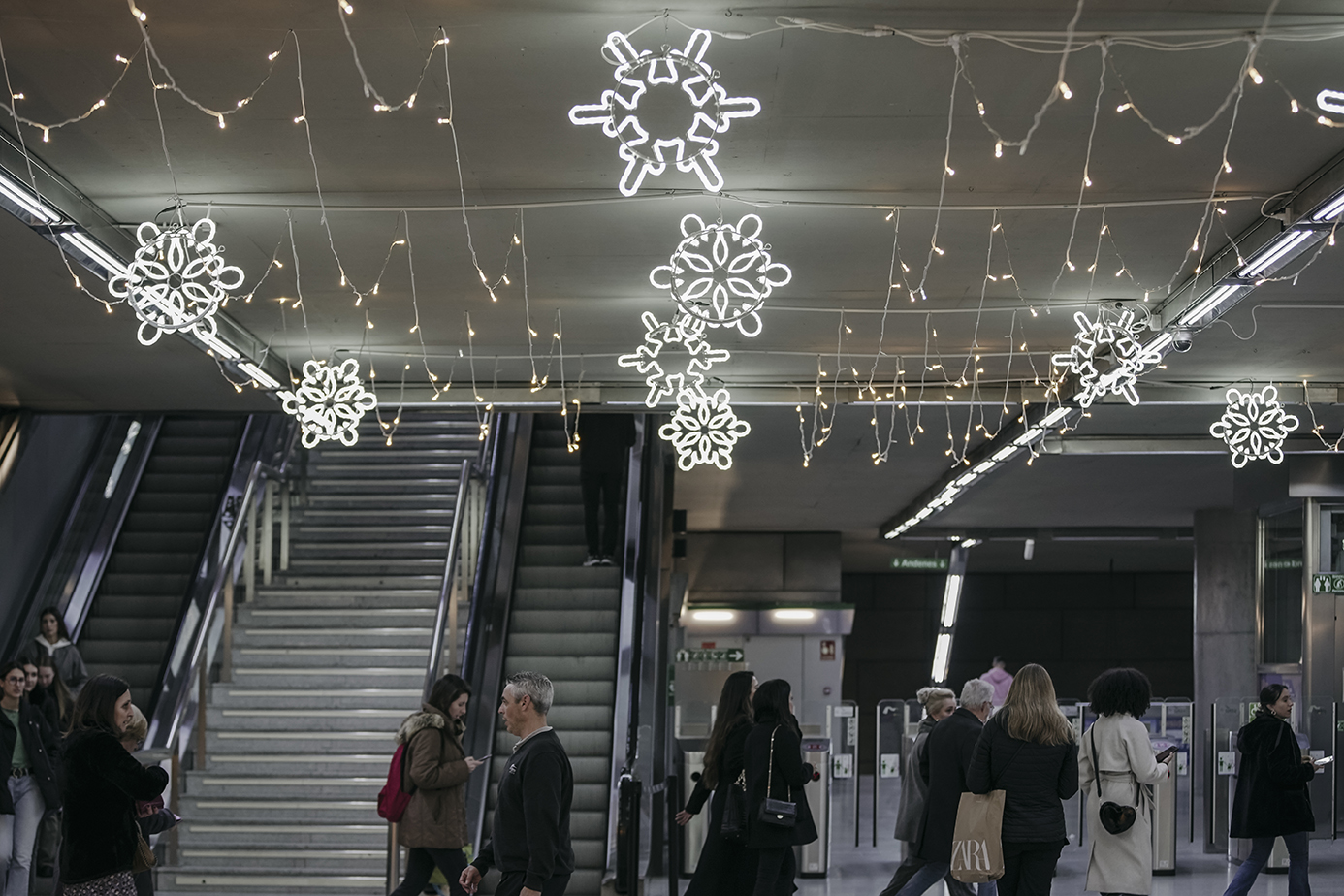
Design Experiences, Not Just Install Lights
One of the biggest mistakes when planning a holiday lighting campaign is to focus all attention on the decorative elements and forget that the real star of the show is the visitor.
People don’t just remember the lights they’ve seen. They remember how they felt walking down a street, gazing at a completely transformed plaza, or sharing a photo next to a large illuminated figure.
For this reason, the most successful decorative lighting projects are those that design a complete experience. Every path, every light source, and every decorative element must be part of a narrative that accompanies the visitor from the very first moment. The lighting should spark curiosity, invite visitors to move forward, surprise them at certain points, and offer spaces where they can pause, take in their surroundings, and enjoy the experience. When a project succeeds in evoking emotion, it ceases to be mere decoration and becomes a memory that lingers for a long time.
Creating a Visual Path
Not all areas of a city or a commercial space carry the same importance. Therefore, one of the primary goals of design is to create a path that effectively guides visitors. Lighting allows for the intuitive guidance of people’s movement, connects different spaces, and encourages them to discover new shopping or leisure areas.
This aspect is particularly important in shopping streets, historic districts, and large shopping complexes, where proper management of foot traffic can benefit a greater number of businesses.
Creating Memorable Moments
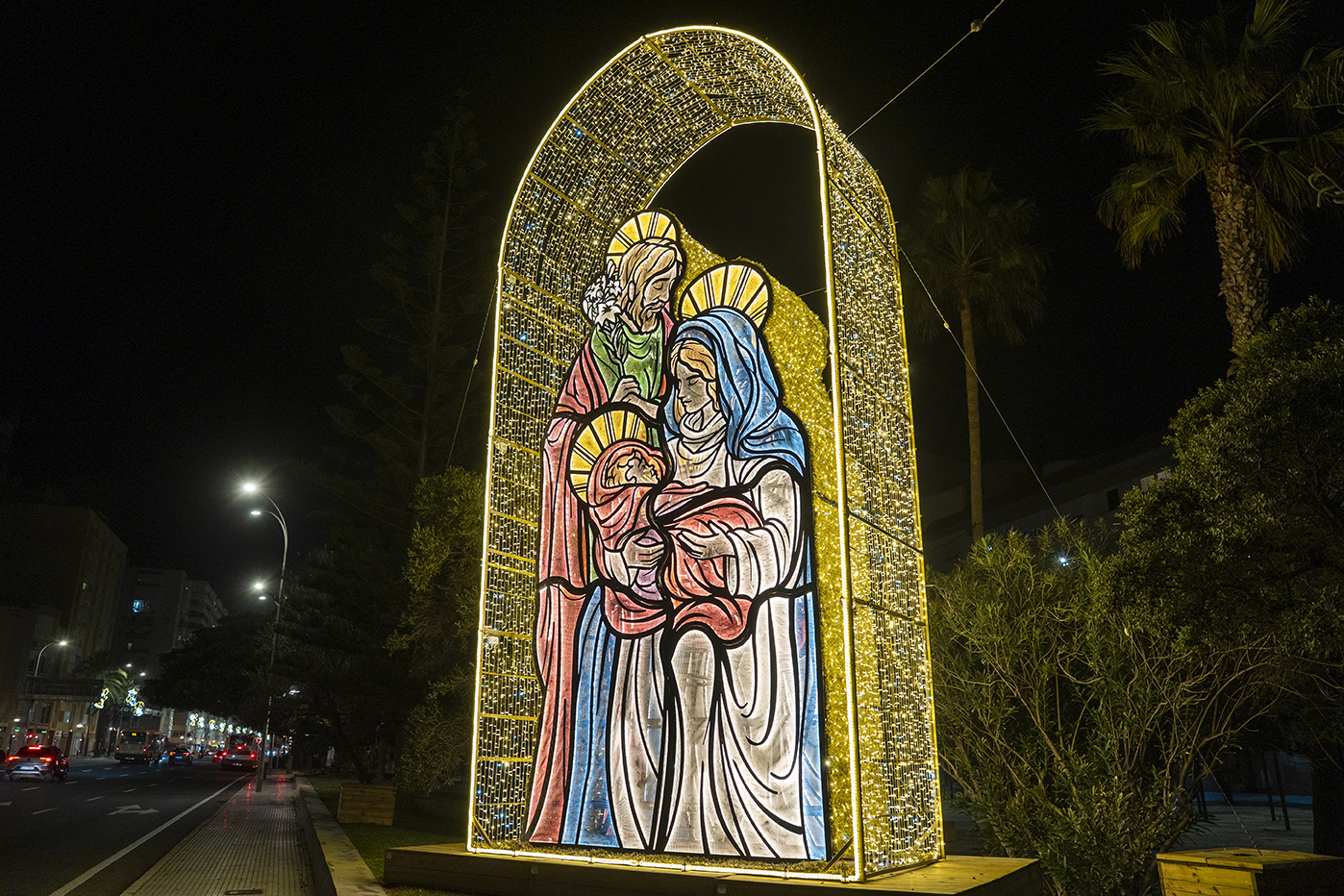
People remember experiences that emotionally surprise them much better. Therefore, a lighting project must include elements capable of becoming the highlights of the visit. Large Christmas trees, three-dimensional figures, tunnels of light, luminous ceilings, illuminated sculptures, or immersive installations help create those special moments that visitors will remember and share.
These points of interest serve as genuine tourist attractions and amplify the project’s impact.
The Psychology of Lighting: How Light Influences Visitor Behavior
Lighting does not merely transform spaces from an aesthetic standpoint. It also influences how people perceive a place and how they interact with it. Various studies on environmental psychology show that light influences factors such as the sense of safety, well-being, orientation, and length of stay.
Applying these principles to the design of a Christmas display yields much more effective results.
Spaces That Invite People to Stay
When an environment is visually appealing, people tend to walk more slowly, stop more often, and spend more time exploring the space. This increase in dwell time has a direct impact on economic activity. Visitors discover more shops, dine at cafes or restaurants, and participate in activities they hadn’t initially planned. Therefore, lighting should be viewed as a tool capable of boosting the economic vitality of the entire area.
The Power of Social Media: When Visitors Become Ambassadors for Your Project
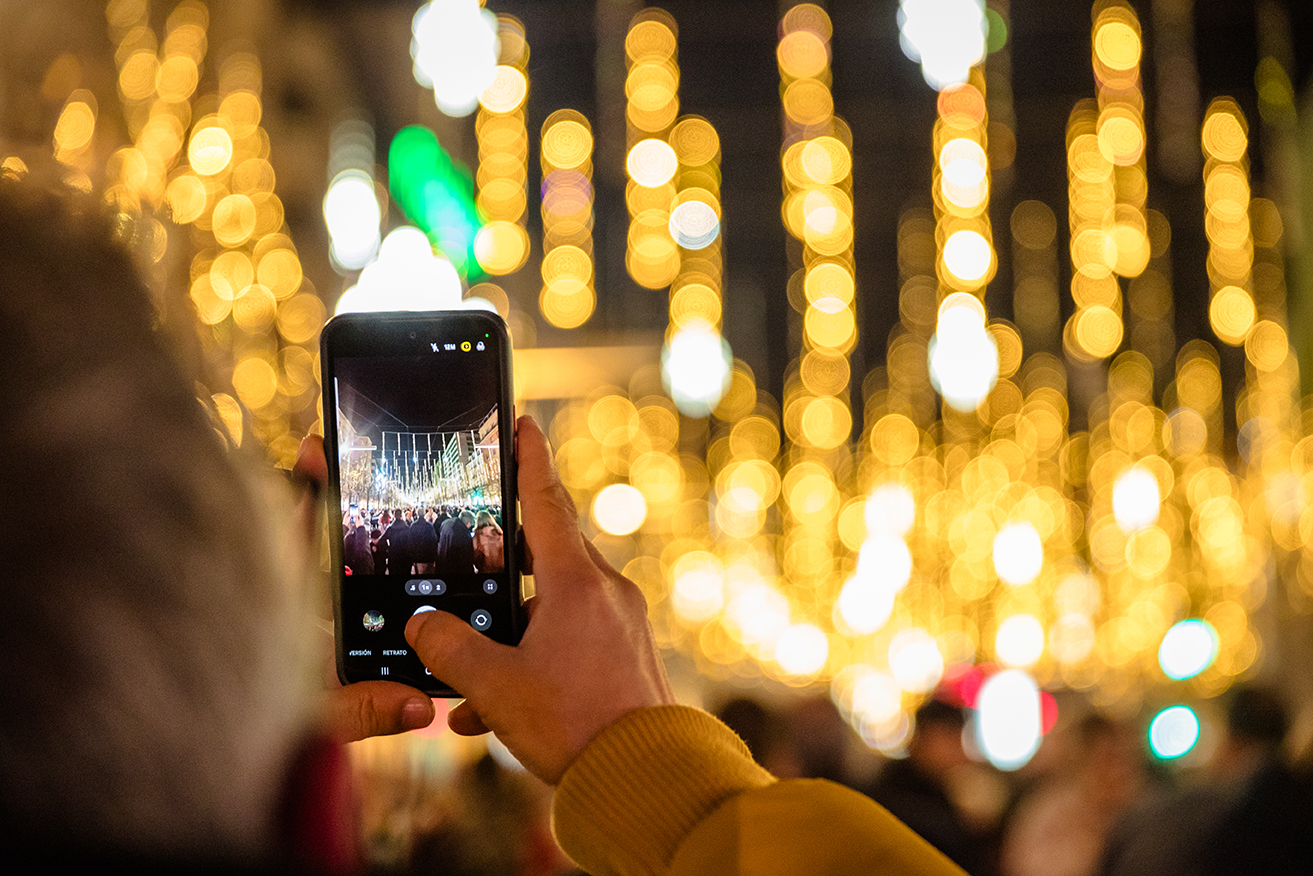
One of the biggest changes Christmas lighting has undergone in recent years is related to social media. Today, a large part of a project’s exposure depends not on advertising campaigns, but on content generated by the visitors themselves.
Every photo shared on Instagram, Facebook, TikTok, or LinkedIn represents a spontaneous recommendation. Every video posted expands the destination’s reach. Every post helps position the city, shopping center, or hotel in front of thousands of potential visitors. Therefore, lighting must be designed with this new digital landscape in mind.
“Instagrammable” Spaces
So-called “Instagrammable” spaces are not just a passing fad. They are a marketing tool capable of significantly increasing a project’s visibility without the need to increase advertising spending.
Large illuminated figures, immersive settings, or three-dimensional elements invite visitors to take photos and share them on social media. This organic outreach significantly boosts the destination’s visibility.
Experiential Marketing Applied to Lighting
Experiential marketing is based on a very simple idea. People remember emotions much better than products. Therefore, a Christmas campaign should aim to generate positive feelings that remain in visitors’ memories even after Christmas is over. When this happens, the lighting helps strengthen the destination’s brand image and encourages people to return for future campaigns.
Trends That Will Shape the Future of Decorative Christmas Lighting
Innovation is redefining how we think about Christmas lighting. The main trends point toward projects that are increasingly personalized, sustainable, and immersive.
Among them are:
- Large-scale, three-dimensional installations.
- Immersive settings.
- Integration with architecture and heritage.
- Interactive elements.
- Custom designs for each destination.
- Projects designed to generate content on social media.
- Efficient and sustainable solutions.
These trends show that holiday lighting has evolved from a purely decorative element into a strategic tool for communication, tourism, and economic development.
How to Plan a Successful Holiday Lighting Project
The success of a decorative lighting campaign does not depend solely on the design or the quality of the installed elements. Planning plays a fundamental role in ensuring that the project meets its objectives, is executed within the planned timeframe, and offers the best possible experience to visitors.
Planning ahead allows for the necessary time to be devoted to analyzing the space, creative development, custom manufacturing, and logistical coordination. Furthermore, it facilitates adapting the project to each client’s specific needs and prevents hasty decisions that could limit the final result.
For large-scale projects, such as lighting a city or a shopping center, it is advisable to begin work several months before the start of the holiday season. This ensures there is sufficient time to design innovative proposals, manufacture exclusive elements, and coordinate all technical aspects of the installation.
Define Measurable Objectives
Before starting any project, it’s important to answer one essential question:
What do we want to achieve with this lighting?
The answer will guide all subsequent decisions. Some of the most common objectives are:
- Increase the number of visitors.
- Boost local commerce.
- Improve hotel occupancy rates.
- Strengthen the destination’s brand image.
- Generate buzz on social media.
- Create new gathering spaces.
- Position the city as a leading destination during the Christmas season.
When objectives are clearly defined, it becomes much easier to evaluate the project’s success later on.
Design with People in Mind
The best projects aren’t designed solely from a technical perspective. They’re designed with the experience of those who will visit these spaces in mind.
It’s worth asking:
- Where will visitors stop?
- Which areas will be photographed the most?
- How will the routes be laid out?
- What emotions do we want to evoke?
- What image do we want to leave in people’s memories?
Answering these questions allows for the development of installations that are much more effective from a tourism and commercial standpoint.
Why does having a specialized partner make all the difference?
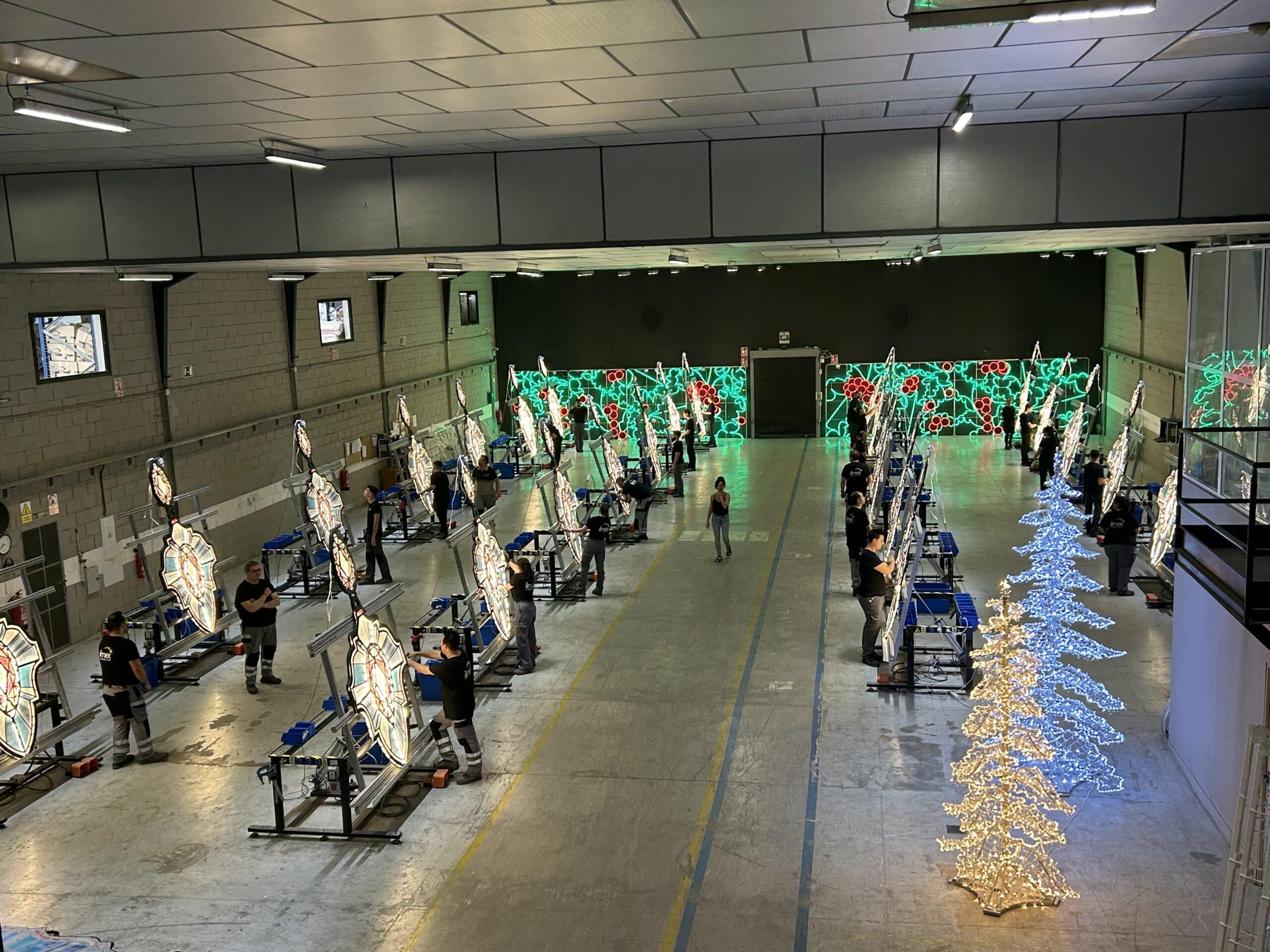
Christmas lighting is a complex project involving disciplines such as design, engineering, manufacturing, logistics, installation, and maintenance.
Properly coordinating all these phases requires experience, technical knowledge, and rigorous planning.
That is why working with a specialized partner offers significant advantages.
A company with a proven track record in national and international projects can anticipate potential issues, propose creative solutions, and ensure that the installation meets both aesthetic and functional objectives.
Furthermore, having a single point of contact throughout the entire process simplifies management and provides greater peace of mind for the client.
ILMEX: Designing Projects That Illuminate, Inspire, and Transform Spaces
At ILMEX, we view decorative Christmas lighting as a tool capable of evoking emotions, boosting economic activity, and reinforcing the identity of cities, businesses, and tourist destinations.
Each project begins with a thorough analysis of the space and the client’s objectives to develop a fully customized proposal.
Our team combines creativity, engineering, manufacturing, and technology to design installations that blend visual impact, energy efficiency, and the highest quality.
Thanks to our international experience and a constant commitment to innovation, we develop solutions tailored to shopping streets, historic districts, hotels, shopping centers, public spaces, theme parks, and major events.
We support the client throughout the entire process—from conceptual design through manufacturing, installation, and maintenance—ensuring that every project helps create memorable experiences.
Because we believe that great lighting doesn’t just transform a space.
It also transforms the way people experience it, remember it, and share it.
Choosing the right decorative Christmas lighting involves much more than selecting light displays or setting a budget. It means designing a strategy that connects with people, enhances the space’s identity, and has a positive impact on economic activity and the perception of the destination.
The projects that truly make a difference are those that combine creativity, planning, innovation, sustainability, and a deep understanding of visitor behavior. When all these elements work together in harmony, lighting ceases to be a mere decorative element and becomes a powerful tool for communication and development.
Whether it’s to revitalize a city center, create an unforgettable experience at a hotel, or attract visitors to a shopping mall, committing to a professional project means investing in both the present and the future of the space.
Frequently Asked Questions (FAQ)
How do you choose the right decorative Christmas lighting for a city?
The most important thing is to define the project’s objectives, analyze the urban environment, study visitor routes, and develop a design that reflects the destination’s identity. It’s also advisable to opt for solutions that are efficient, sustainable, and tailored to the characteristics of each space.
When should you start planning a Christmas lighting campaign?
Ideally, you should begin planning several months in advance. This allows you to design customized proposals, manufacture exclusive elements, coordinate logistics, and ensure that the installation is ready by the scheduled date.
What benefits does Christmas lighting bring to a shopping center?
Well-designed lighting enhances the space’s appeal, attracts more visitors, encourages them to stay longer, and improves the shopping experience—all of which can lead to increased sales and greater customer loyalty.
What qualities should a Christmas lighting supplier or manufacturer have?
It’s advisable to choose a company with proven experience, the ability to create custom designs, in-house manufacturing capabilities, technical expertise, experience with projects of various scales, and a comprehensive service that covers everything from design to installation and maintenance.
At ILMEX, we offer all the lighting solutions for your project under one roof. Conceptualization, design, manufacturing, installation… We’re your 360° decorative lighting solution!
Contact us and let us know what you need.