
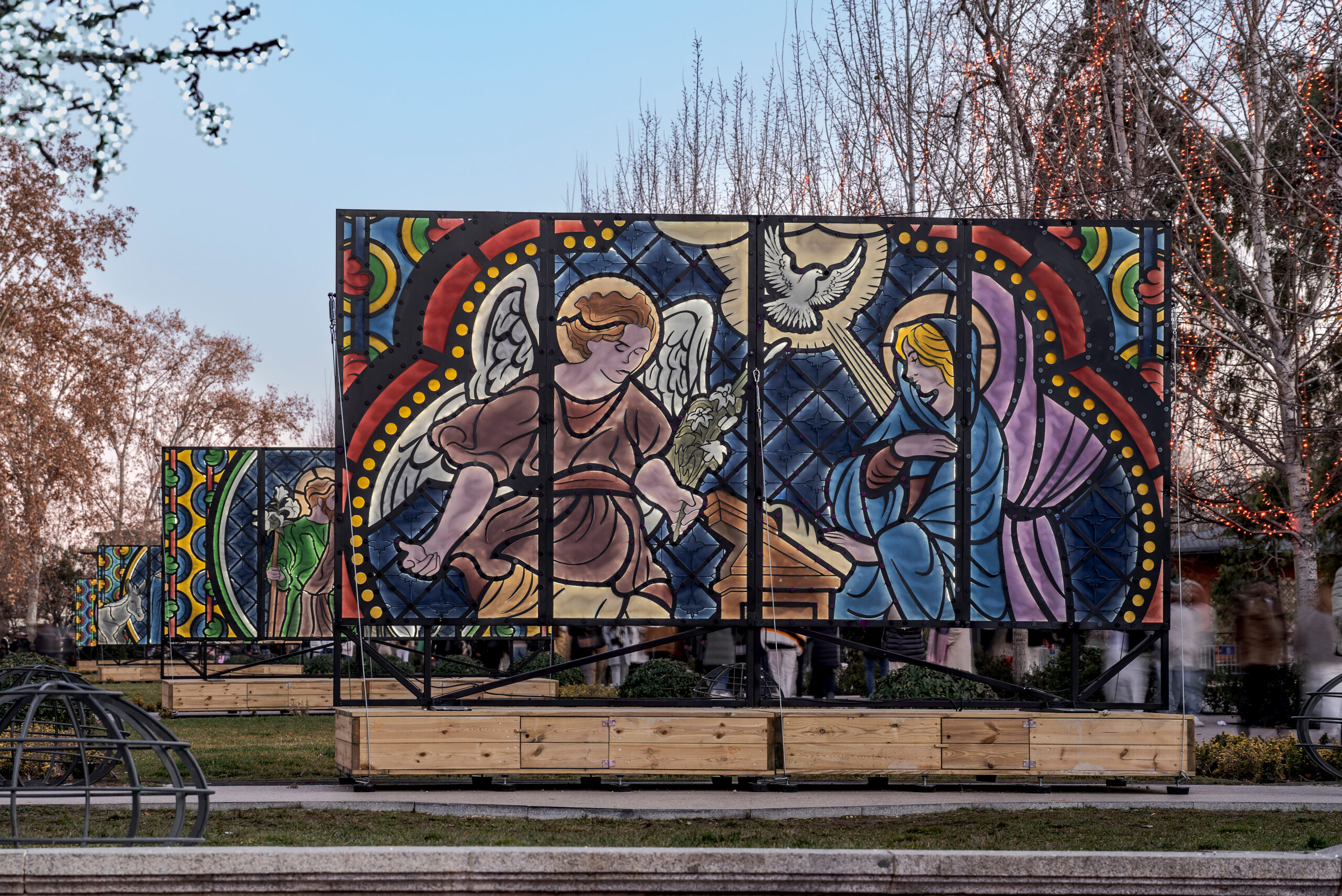
Decorative lighting is undergoing a profound transformation. For years, the main goal of an installation was to create a visual impact, beautify a space, or set a certain mood. Today, those goals remain important, but there is a new requirement: to do so in a more efficient, responsible, and sustainable way.
Cities, businesses, shopping centers, hotels, and cultural venues are seeking solutions that allow them to create memorable experiences without sacrificing energy efficiency or a more responsible use of resources.
In this context, sustainable decorative lighting is no longer just a trend; it has become one of the key criteria when designing the projects of the future.
Sustainability Is Now an Integral Part of Lighting Design
Talking about sustainable lighting doesn’t just mean reducing energy consumption. Sustainability applied to a decorative project involves analyzing the entire process: from design and material selection to manufacturing, installation, maintenance, and opportunities for reuse.
The goal is to ensure that every element serves a purpose and that the final solution combines three fundamental concepts: design, efficiency, and innovation.
The evolution of LED technology itself has made it possible to radically transform decorative lighting. In 2007, the Ximenez Group began replacing incandescent lighting with LED technology in its projects, moving toward more efficient installations.
Much More Than Just Reducing Energy Consumption
A sustainable installation must be approached from a holistic perspective.
Energy efficiency is essential, but so are issues such as:
- Optimizing operating schedules.
- Responsible use of materials.
- The possibility of reusing structures.
- The durability of components.
- Ease of maintenance.
- Reducing light pollution.
- Adapting the installation to the characteristics of each space.
Therefore, the future of decorative lighting does not simply lie in using more technology, but in using it better.
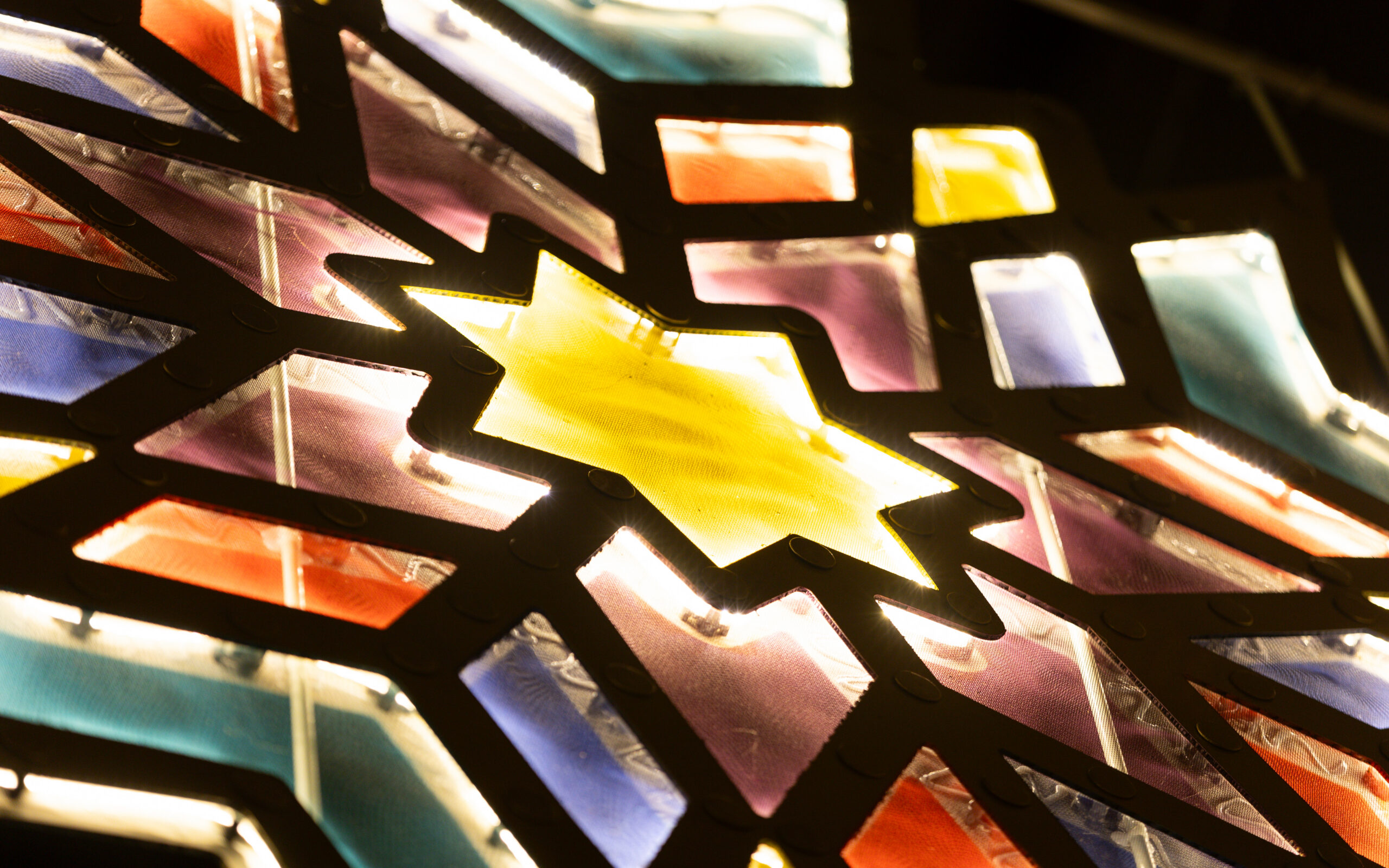
Technology as an Ally of Sustainable Lighting
Innovation is enabling the development of solutions capable of maintaining a strong visual impact while optimizing energy consumption.
One example of this evolution is Ecogreenlux, a patented technology developed by the Ximenez Group. According to the company, this solution can reduce energy consumption by up to 60% compared to conventional LED designs and reduce light pollution by up to 93%.
Advances like these show that it is no longer necessary to choose between design, visual impact, and sustainability.
Better Design for Better Energy Use
Sustainability begins even before a lighting system is built.
A properly scaled design allows us to determine where light needs to be concentrated, which elements should take center stage, and how to achieve the desired visual effect using the appropriate resources.
In this way, design and efficiency are no longer separate concepts.
Cities Seeking New Ways to Light Themselves
Cities are one of the major settings where this transformation is most evident.
Decorative lighting can help improve the perception of streets, plazas, and public spaces, but it can also create experiences that attract visitors and revitalize specific areas.
During campaigns such as the Christmas season, this effect takes on particular significance. A well-designed installation can become an element of urban identity, create gathering places, and reinforce a city’s image.
For this reason, local governments are increasingly seeking solutions that combine impact, efficiency, durability, and reusability.
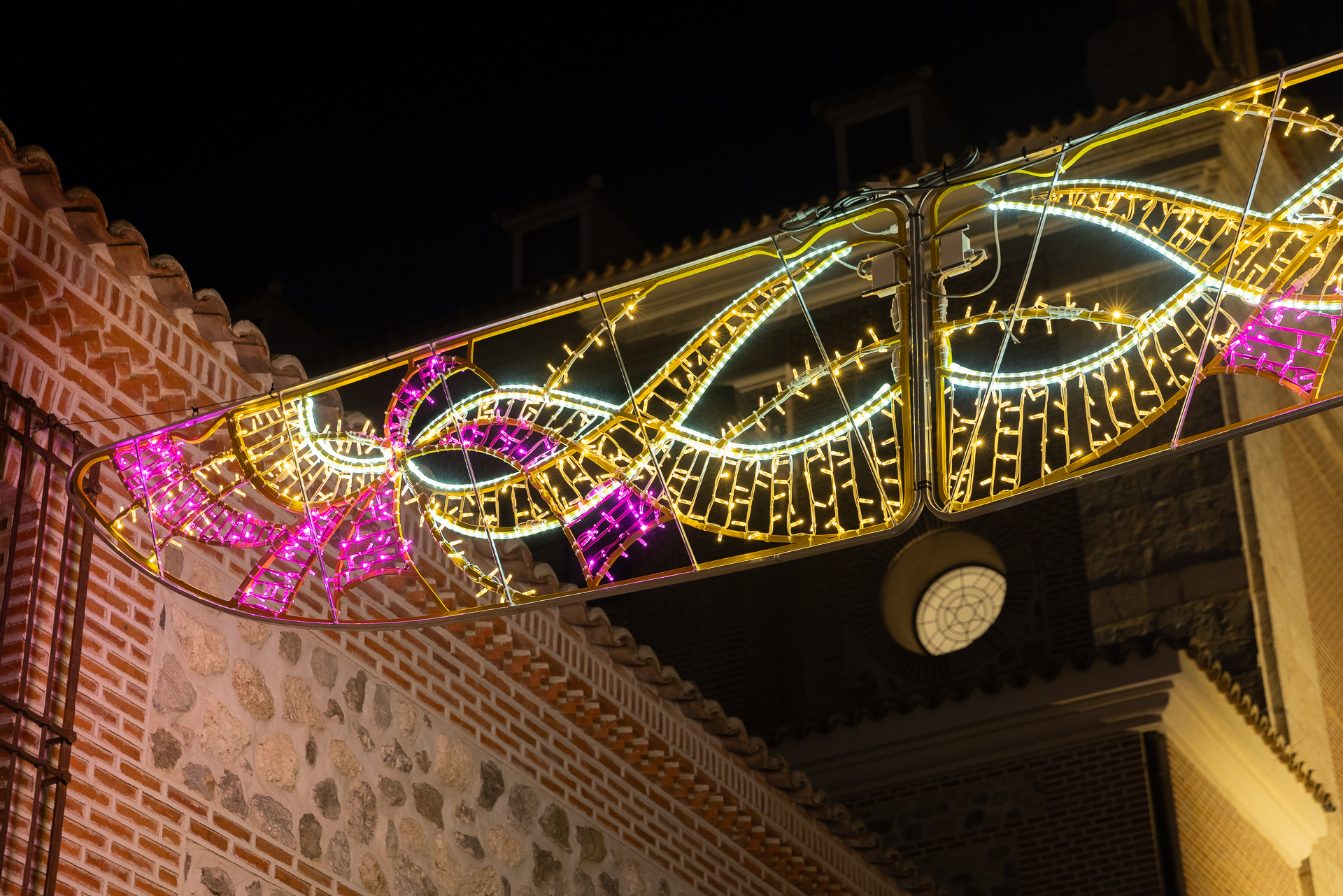
The Future Will Be Efficient, Creative, and Personalized
The evolution of decorative lighting is moving toward projects that are increasingly personalized and mindful of their impact.
New generations of installations must meet a combination of needs: evoke emotions, blend into the environment, use technology efficiently, and offer solutions that remain useful for longer. Sustainability, therefore, does not have to limit creativity. On the contrary: it can become a new stimulus for design and innovation.
At ILMEX, we work to develop decorative lighting projects that combine creativity, technology, efficiency, and adaptability to each space.
Because lighting the future also means doing so in a more responsible way.