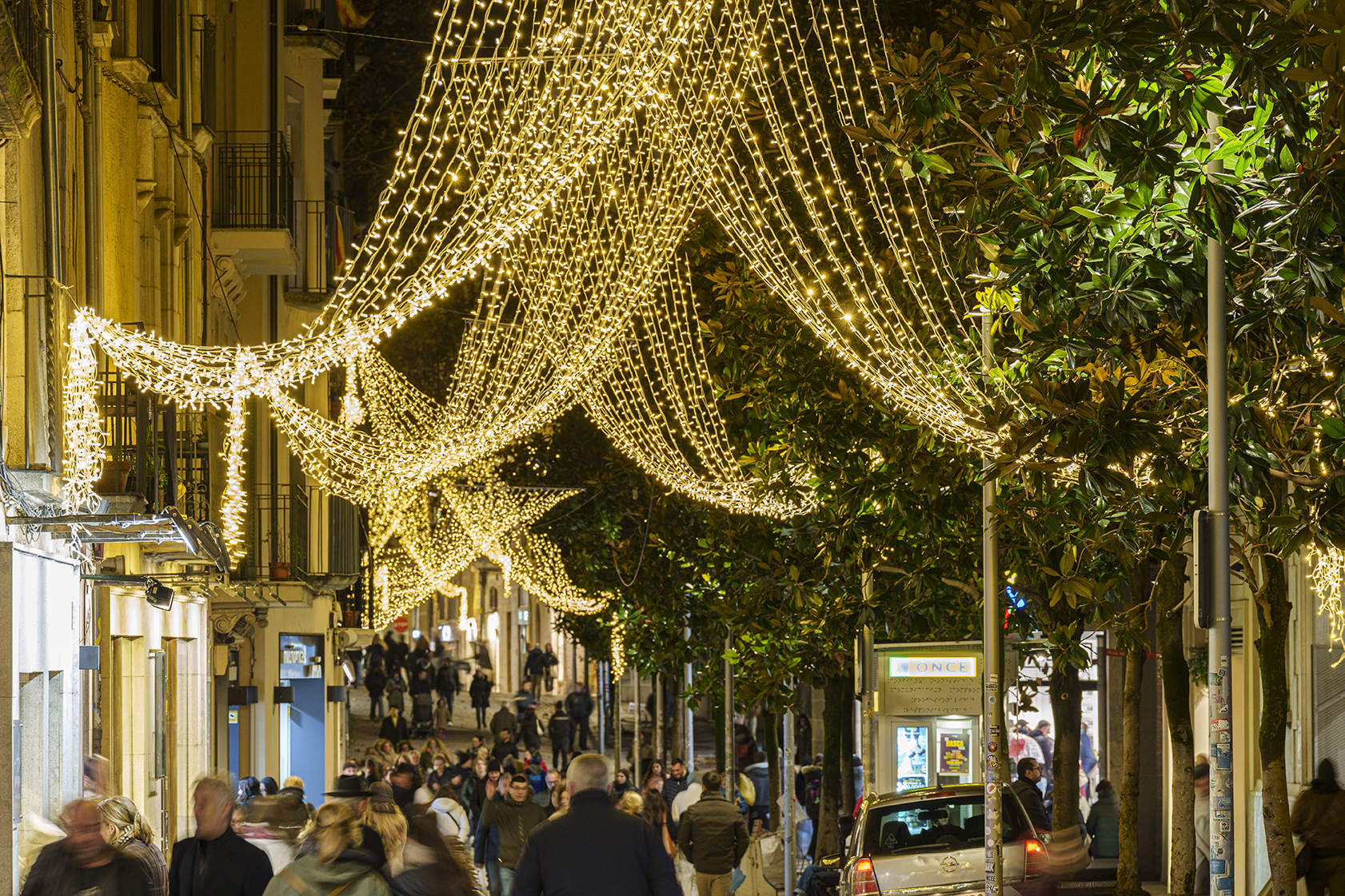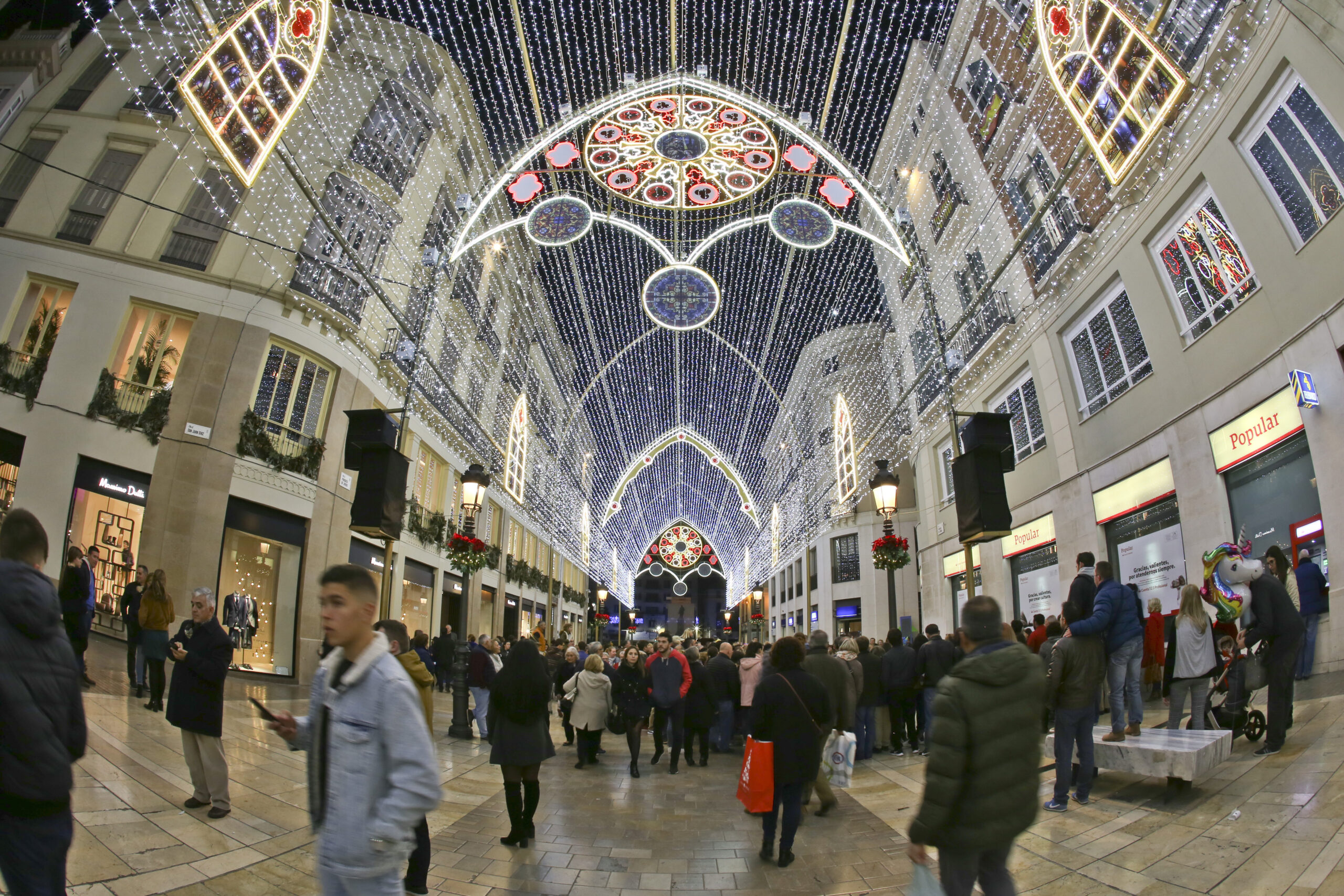
When we think about transforming a space, we usually think of architecture, furniture, landscaping, or design. However, there is another element capable of radically changing the perception of a place without necessarily altering its structure: decorative lighting.
A street can become an inviting route, a plaza can be transformed into a gathering place, and a commercial space can take on a completely different personality when the lighting is designed to enhance the experience of those who visit it.
In this case study, we analyze how a decorative lighting project can alter the perception, use, and experience of a space—and why lighting design should be understood as a strategic tool rather than merely an aesthetic one.
The Transformation Begins Before a Single Light Is Installed
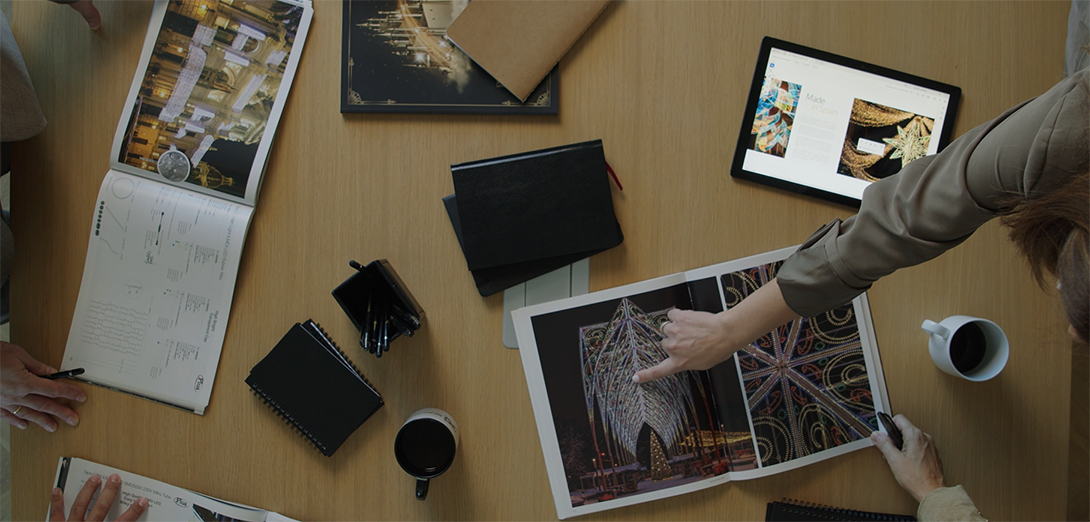
One of the main mistakes when planning a decorative lighting project is to start by thinking directly about the elements to be installed. Before selecting a light motif, a 3D structure, or a monumental installation, it is necessary to analyze the space. Its architecture, dimensions, circulation paths, access points, high-traffic areas, and the relationship between the different elements all shape the final result.
That is why a professional project begins with an analysis phase.
What do we want to achieve with the lighting?
Before selecting solutions, it is necessary to define the project’s objectives:
- What do we want to highlight?
- Where do we want people to move?
- Where do we want to create a focal point?
- What experience do we want to create?
The answers to these questions allow us to turn lighting into a true design tool.
From an Everyday Space to an Experience
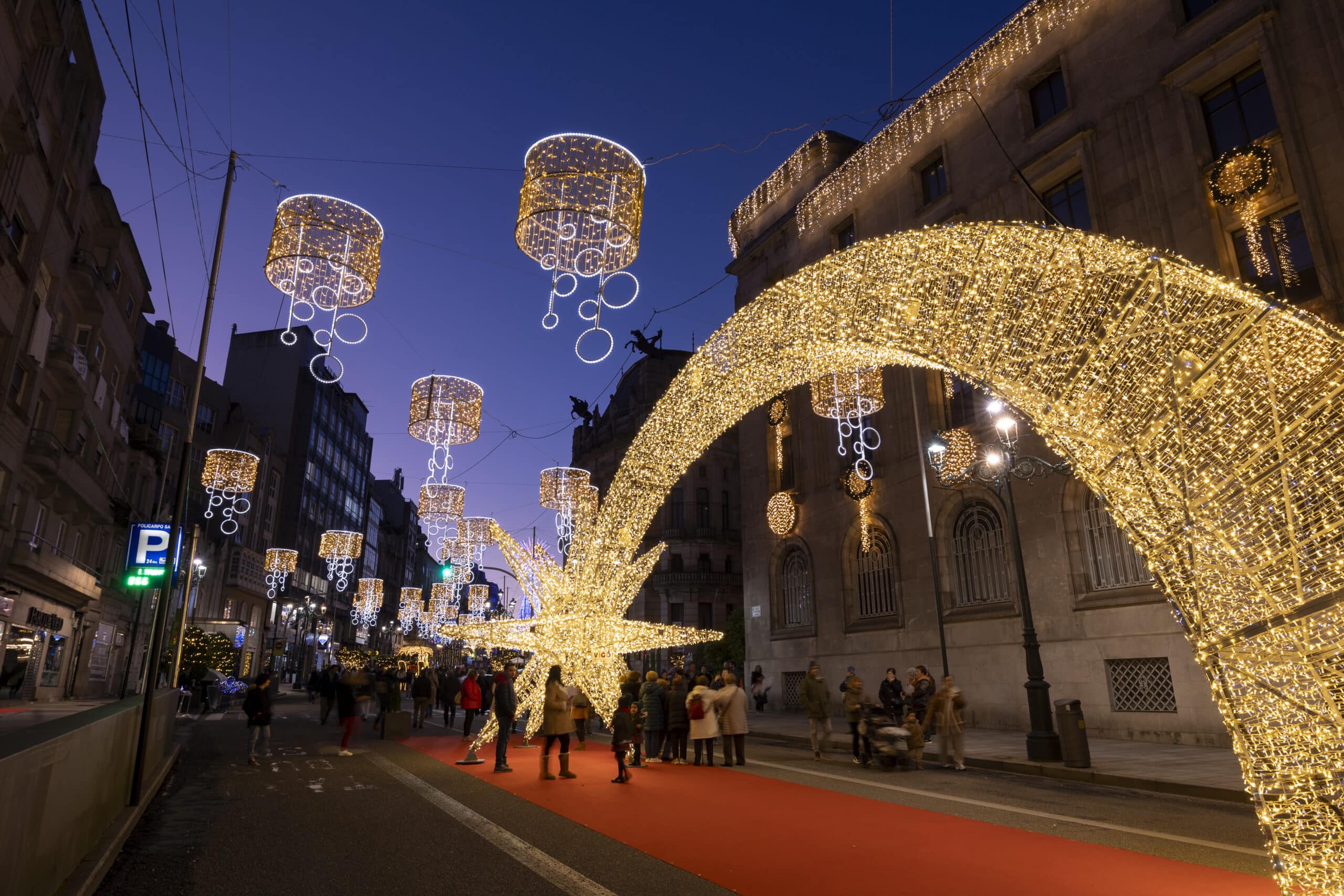
Decorative lighting has the power to change the way people perceive an environment. During the day, a plaza, a shopping street, or a building facade may have a certain character. When night falls, lighting allows us to construct a new visual narrative. Light can draw the eye to specific architectural elements, create depth, establish different moods, and highlight points of interest.
In the case of holiday lighting, this ability is amplified. These installations do more than just decorate: they create an atmosphere associated with a specific time of year and transform ordinary spaces into extraordinary places. As a result, visitors no longer simply pass through a space—they begin to experience it.
Designing Pathways Through Lighting
One of the most interesting techniques in a decorative lighting project is creating a visual pathway. Not all elements need to compete for attention. On the contrary, a balanced composition allows for different levels of prominence.
Creating Welcome Points and Impact Zones
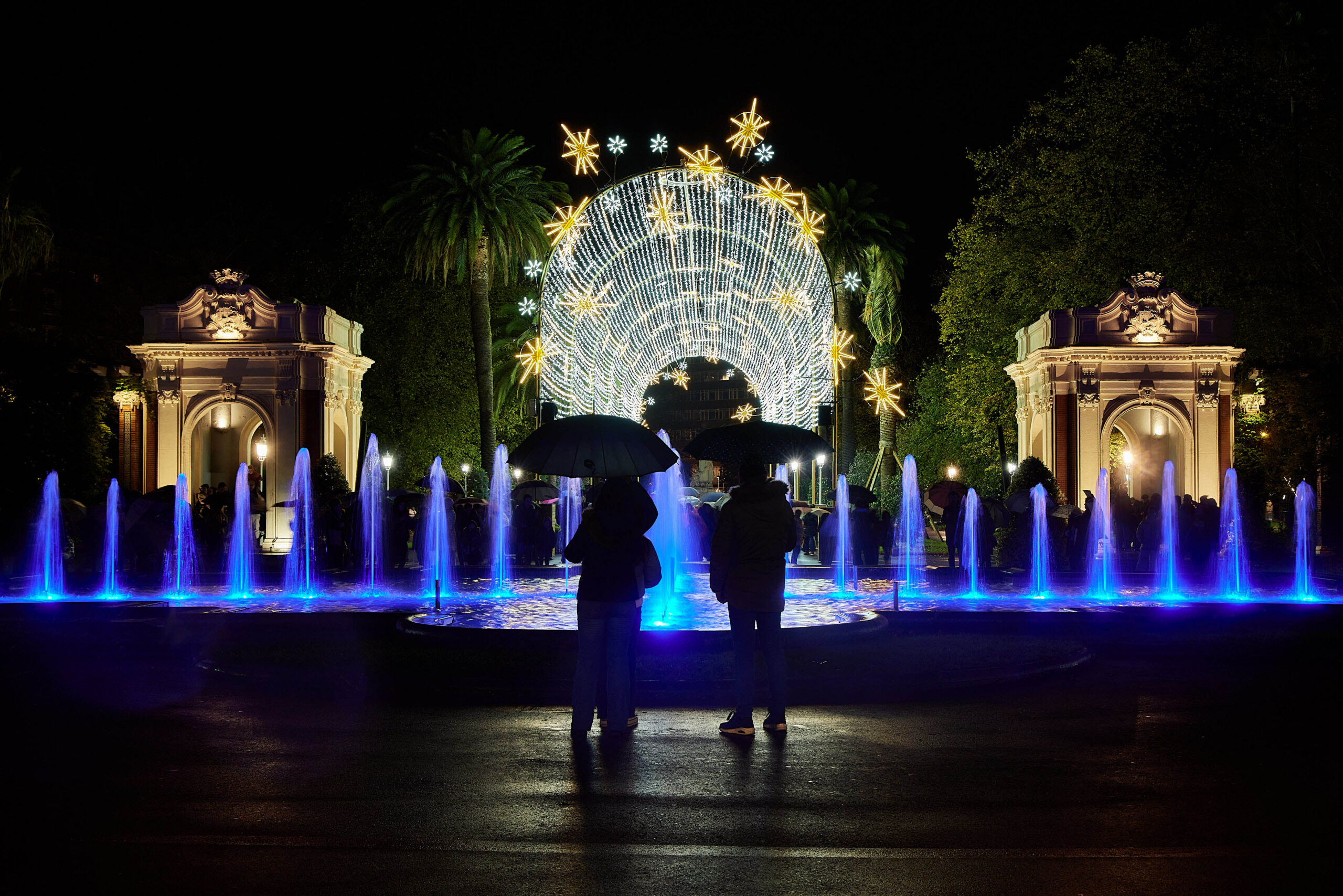
An entrance can serve as a welcome point. An avenue can become an illuminated path. A plaza can feature a high-impact installation, and certain elements can serve as photo spots. In this way, lighting helps build a progressive experience. Visitors first discover one element, continue moving forward, and encounter new visual stimuli until they reach the main space. Lighting thus ceases to be a collection of independent elements and becomes a coherent experience as a whole.
The Value of Highlighting Architecture
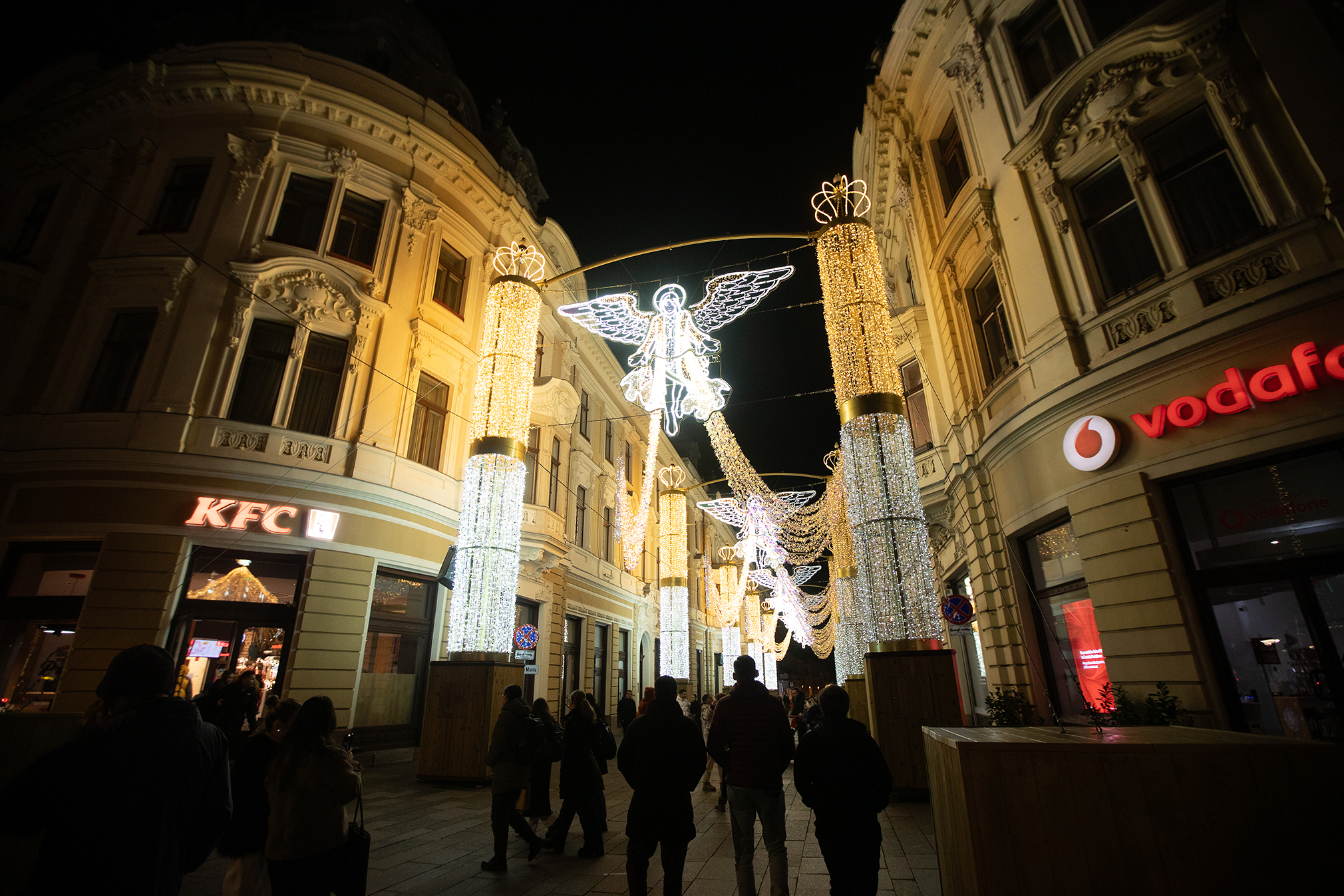
Decorative lighting does not have to compete with architecture. A good design can be used precisely to highlight it. Historic buildings, facades, plazas, monuments, and other urban elements can be integrated into the composition so that the installation respects the identity of the place while also adding a new visual dimension.
Integrating Lighting into a Space’s Identity
This integration is especially important in urban projects. Every city has its own personality, and lighting must be able to adapt to it. That is why customized solutions play a fundamental role when the goal is to create an installation that could not be replicated exactly in any other space.
Lighting Also Transforms Behavior
The effect of lighting goes beyond aesthetic perception. An attractive space invites people to linger. An eye-catching installation can become a gathering place. An element specifically designed to be photographed can generate content on social media. And a well-planned route can encourage people to explore areas that, under other circumstances, would receive less attention.
This is particularly relevant in cities, shopping centers, hotels, and other spaces where the visitor experience is directly linked to economic activity. Decorative lighting can therefore help create greater appeal, more interaction, and more opportunities to connect with the public.
The Importance of Customization
There is no single formula for transforming a space through lighting. A shopping mall may need an installation designed to drive foot traffic and reinforce its brand identity. A hotel may seek to create a sophisticated and memorable atmosphere. A city may want to reinforce its identity during the Christmas season and create new tourist attractions.
The objectives vary, and therefore, so must the solutions.
Designing Solutions Tailored to Each Project
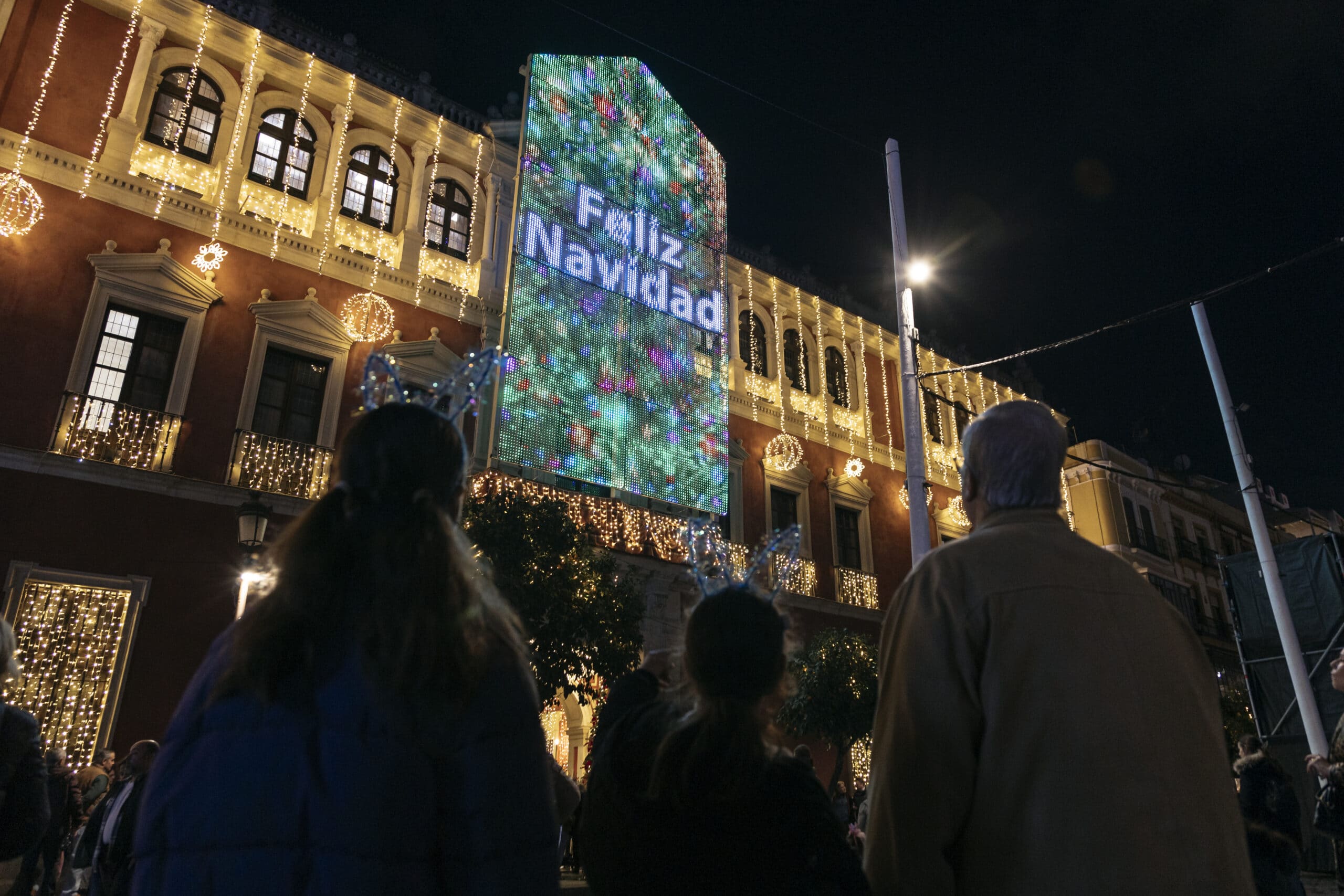
This is where a custom lighting project adds unique value. The design allows for adapting the shapes, dimensions, colors, materials, and layout of the elements to the specific characteristics of the space.
From Design to Reality
The visual transformation perceived by visitors is only the final phase of a much broader process. Behind a decorative lighting installation lie various stages: conceptualization, design, technical development, material selection, manufacturing, logistics, installation, and maintenance.
The Importance of a Comprehensive Process
In large-scale projects, coordinating all these phases is essential. Creativity must be accompanied by technical expertise that enables the transformation of an idea into a safe, functional installation that is tailored to the conditions of the space where it will be installed.
That’s why choosing a provider capable of taking a comprehensive approach to the project can make a significant difference in the outcome.
A New Way of Understanding Decorative Lighting
Transforming a space through lighting doesn’t simply mean adding light. It means designing how we want that space to be perceived and experienced. Lighting can impart identity, create atmospheres, guide the eye, highlight elements, and transform everyday places into settings capable of evoking emotions and creating experiences.
At ILMEX, we approach every project from this perspective: combining creativity, design, innovation, and technical expertise to develop solutions tailored to each space.
Because an installation can be visually spectacular. But when it’s designed to blend into its surroundings and connect with people, it can become something much more meaningful: an experience that transforms the way a space is experienced.