Choosing a decorative lighting provider is a much more important decision than it may seem at first glance. Beyond design or budget, a project’s success depends on the experience, technical expertise, and support offered by the company responsible for bringing it to life.
Whether it involves lighting for a city, a shopping mall, a hotel, a commercial street, or an event space, every project requires customized solutions that combine creativity, innovation, safety, and energy efficiency.
However, not all suppliers offer the same level of service. Some companies simply sell standard products, while others have their own in-house design, manufacturing, and installation teams capable of developing fully customized projects.
This difference is crucial when the goal is to create an installation that not only beautifies a space but also helps attract visitors, reinforce a brand’s identity, or boost economic activity.
In this guide, we analyze the most important factors to consider before choosing a decorative lighting provider and explain why the right decision can make the difference between a conventional project and an installation capable of creating a lasting impact.
Why Is It So Important to Choose the Right Decorative Lighting Provider?
In any lighting project, there is a natural tendency to focus solely on the financial budget.
However, when it comes to large-scale decorative installations, the initial cost represents only a small portion of the project’s true value.
A lighting installation is meant to coexist with thousands of people for weeks or months. It must withstand demanding weather conditions, maintain optimal performance, blend into the surroundings, and convey an image of quality consistent with the client’s identity.
Therefore, choosing a supplier based solely on price can lead to maintenance issues, creative limitations, higher future costs, or a visual experience that falls short of expectations.
On the other hand, selecting a company with proven experience provides assurance throughout all phases of the project, from the initial design to after-sales service.
Much More Than Just Buying Lighting
One of the most common mistakes is thinking that commissioning decorative lighting simply means purchasing a set of illuminated figures or elements. The reality is very different.
A professional project involves studying the space, analyzing visitor flow, understanding the client’s objectives, and designing a solution capable of integrating with the architecture and enhancing the user’s experience.
In other words, it’s not about selling lighting, but about developing a visual strategy.
That’s why it’s so important to work with companies capable of providing expertise, creativity, and technical know-how.
A lighting project is an investment
Decorative lighting should be viewed as a medium- and long-term investment.
When a project is properly designed, it can help:
- Increase visitor traffic.
- Strengthen the brand image.
- Improve the user experience.
- Boost business activity.
- Increase media and social media coverage.
- Set a space apart from the competition.
The chosen supplier will be responsible for ensuring that all these objectives are met.
Experience and Track Record: The First Factor You Should Consider
Experience is one of the most reliable indicators for evaluating the capabilities of a decorative lighting company.
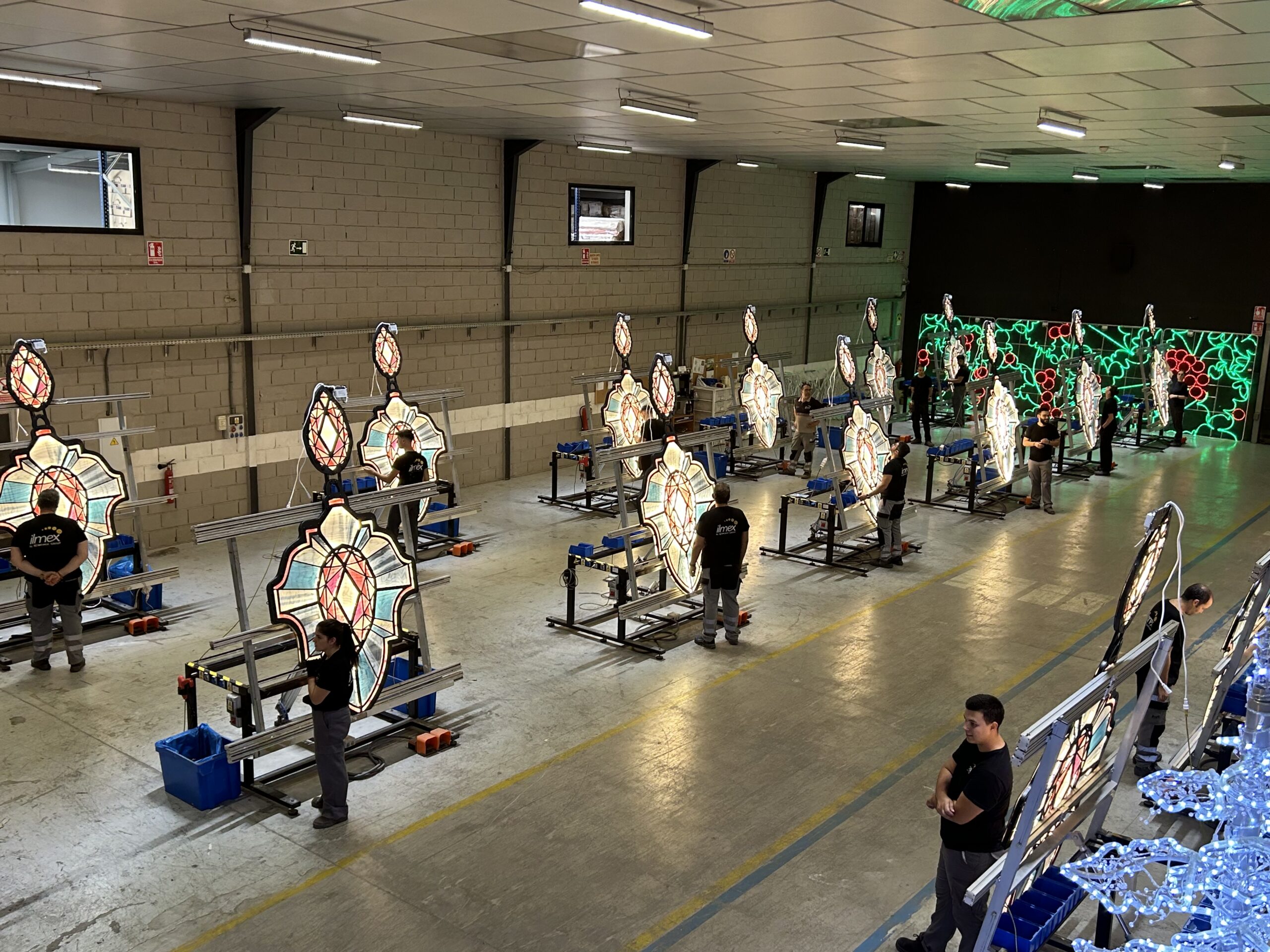
Large-scale projects involve multiple disciplines: design, engineering, manufacturing, logistics, installation, and maintenance. Properly coordinating all of these requires knowledge that can only be acquired through years of work and the execution of real-world projects.
For this reason, before hiring a provider, it is advisable to analyze its track record and review its previous work.
An experienced company not only brings greater technical expertise but is also able to anticipate potential issues and offer more efficient solutions.
Review their project portfolio
The portfolio is one of the best ways for any company specializing in decorative lighting to showcase its work.
It’s not just about checking whether they’ve completed large-scale projects, but also about analyzing aspects such as:
- Diversity of sectors.
- Quality of design.
- Integration with the surroundings.
- Originality of proposals.
- Level of customization.
- Finishes.
A supplier with proven experience typically has a wide variety of completed projects in cities, hotels, shopping centers, theme parks, public spaces, or major events.
This diversity demonstrates their ability to adapt to different needs and tackle challenges of varying complexity.
International experience adds value
In a sector as creative as decorative lighting, working in different countries allows one to discover new trends, materials, technologies, and ways of understanding public spaces.
International experience typically translates into a greater capacity for innovation and more versatile solutions capable of adapting to different cultures, architectural styles, and needs.
urthermore, it demonstrates that the company has the resources to manage complex projects, coordinate multidisciplinary teams, and meet the quality standards required in different markets.
Design: Much More Than Just Creating a Beautiful Installation
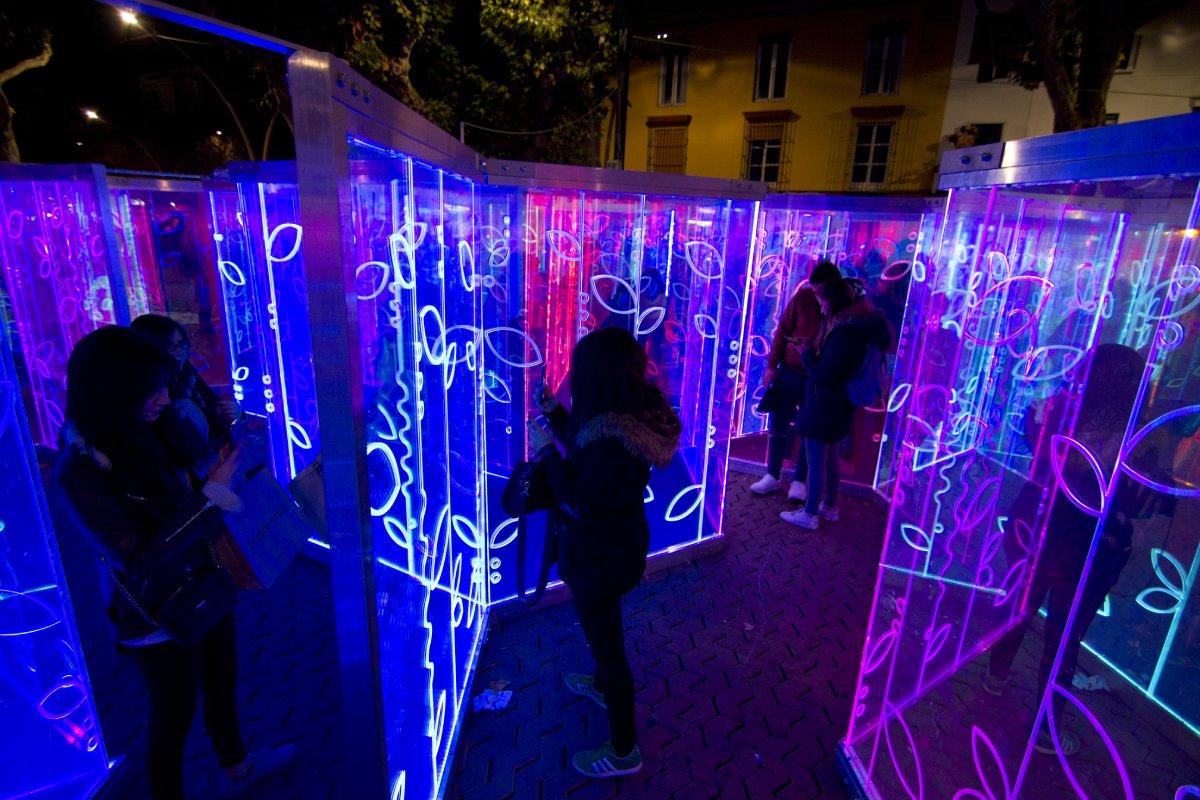
When discussing decorative lighting, the conversation often centers on the final result: a lit-up street, a large three-dimensional figure, or a light show that amazes visitors. However, behind every successful installation lies a design process that combines creativity, technical expertise, and an understanding of the space.
For this reason, one of the most important factors when choosing a provider is to assess its design capabilities.
Not all companies have their own creative department. Some work with pre-set catalogs or adapt existing designs, while others develop exclusive concepts tailored to meet each client’s specific objectives.
This difference is crucial when the project’s purpose is to create a unique experience and reinforce the identity of a destination or a brand.
A Project Must Tell a Story
The best lighting installations do more than just decorate.
They convey an idea.
They evoke an emotion.
They invite visitors to explore a space, discover new corners, and pause to contemplate their surroundings.
This approach, known as spatial storytelling, involves designing lighting routes and elements that maintain a common thread and bring coherence to the entire installation.
For example, a historic district can draw inspiration from its architectural heritage, a shopping center can use lighting to reinforce its corporate identity, and a hotel can create distinct atmospheres for each area of the property.
When there is a narrative behind the design, the project’s emotional impact increases significantly.
Customization Makes All the Difference
Every city, square, avenue, hotel, or shopping center has its own unique characteristics.
Therefore, using standard solutions often limits a project’s potential.
A specialized provider must be able to adapt dimensions, materials, colors, finishes, and shapes so that the lighting interacts with the existing architecture and integrates naturally into the space.
Customization not only improves the visual result but also helps create a unique image that sets the client apart from other destinations or establishments.

Innovation and Technology: Keys to a Future-Ready Project
The decorative lighting sector has evolved tremendously thanks to the development of new technologies.
Today, a project should not be evaluated solely on its aesthetic appeal, but also on its ability to deliver energy efficiency, ease of maintenance, and long-term scalability.
Choosing a supplier that invests in innovation ensures that the installation will remain competitive for many years to come.
State-of-the-Art LED Technology
LED technology has revolutionized the industry thanks to its high energy efficiency and long service life.
Compared to traditional technologies, it significantly reduces electricity consumption, minimizes maintenance needs, and offers greater creative freedom.
In addition, it provides excellent color rendering and enables the creation of dynamic scenes that enrich the visitor experience.
Certifications and Regulatory Compliance: A Guarantee for the Client
Beyond design and creativity, any decorative lighting project must comply with current regulations regarding electrical safety, energy efficiency, and manufacturing quality.
Before hiring a supplier, it is advisable to verify that they operate in accordance with the required standards and can provide proof of the relevant certifications.
This aspect is particularly important in projects developed for public agencies or large organizations, where regulatory compliance is part of the contracting requirements.

Installation: The Step That Determines Much of the Project’s Success
An excellent design can lose much of its impact if the installation is not carried out correctly.
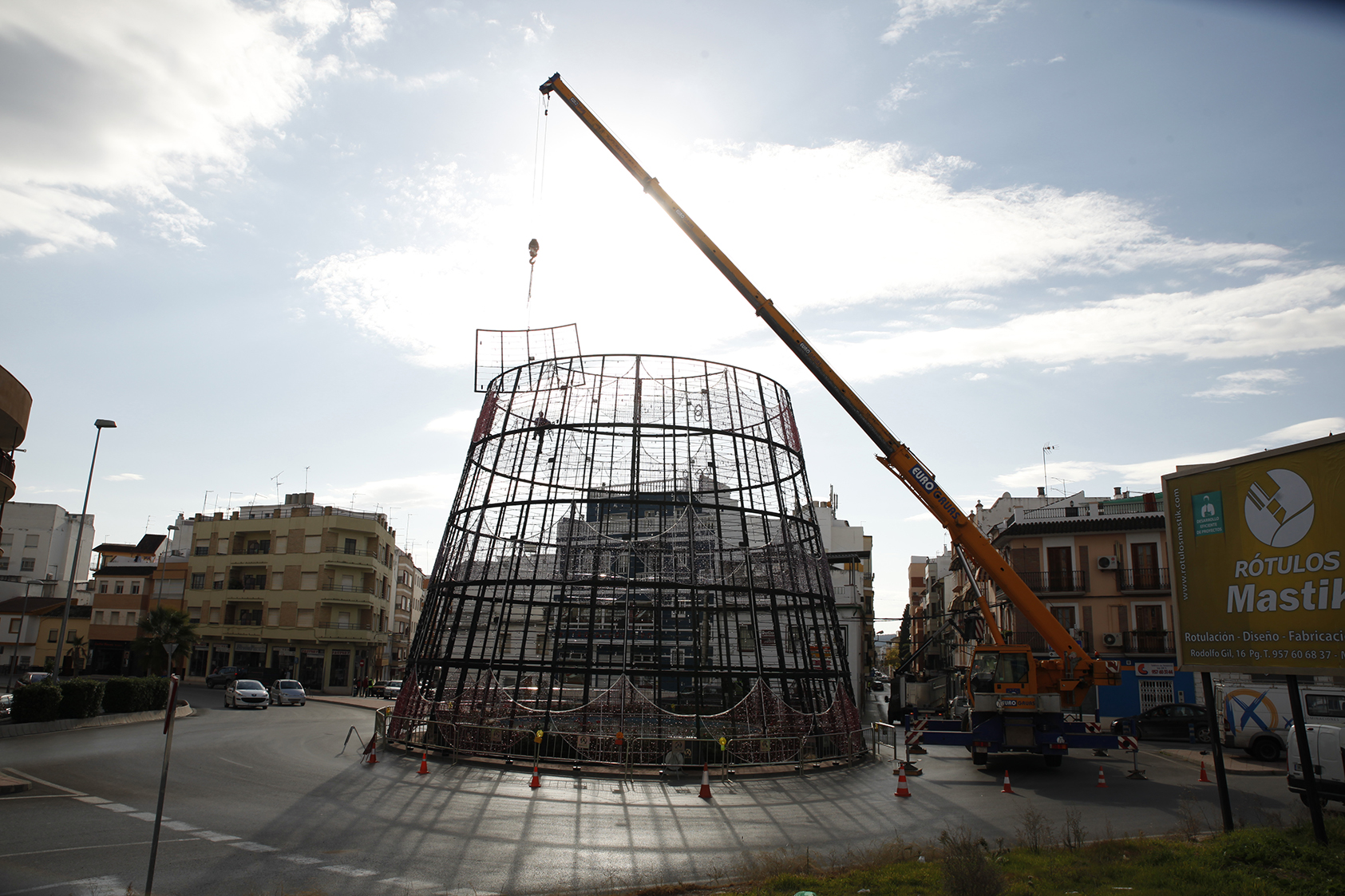
For this reason, it is advisable to work with suppliers capable of offering a comprehensive service that includes logistical planning, transportation, assembly, and technical supervision.
Properly coordinating all these phases helps reduce execution times, minimize incidents, and ensure that the final result matches the designed project.
Technical and Logistical Coordination
Decorative lighting projects typically involve numerous professionals: engineers, designers, installers, electricians, field workers, and safety officers.
Proper coordination among all of them is essential for meeting deadlines and ensuring the quality of the installation.
Experienced companies have specific procedures in place to manage these types of complex projects.
The Service Doesn’t End When the Lights Come On
One of the most important differences between a supplier and a true strategic partner becomes apparent once the installation is complete.
Preventive maintenance, technical support, replacement of components, and ongoing support throughout the campaign provide peace of mind to the client and ensure the proper functioning of the installation.
Choosing a company that continues to support the client after installation is complete represents significant added value.
Checklist: 8 Questions You Should Ask Before Hiring a Decorative Lighting Provider
Before making a decision, it’s a good idea to address questions such as the following:
• Do they have experience with decorative lighting projects?
• Do they have their own design team?
• Are they a manufacturer or a distributor?
• Can they develop fully customized solutions?
• What materials do they use in manufacturing?
• Do they comply with applicable certifications and regulations?
• Do they offer installation and maintenance?
• Do they have experience with international projects?
Answering these questions will facilitate an objective comparison between different companies and help you choose a supplier capable of adding value, based on the project’s needs and the client’s business objectives.
Sustainability Is No Longer an Option: It’s a Decision-Making Criterion
In recent years, sustainability has evolved from a differentiating factor to an essential requirement in any decorative lighting project. Both public agencies and private companies are seeking solutions capable of reducing environmental impact without sacrificing creativity, quality, or visual impact.
herefore, when selecting a decorative lighting supplier, it is important to evaluate not only the project’s design but also the supplier’s commitment to energy efficiency, material selection, and resource optimization.
A manufacturer committed to sustainability must be able to offer solutions that minimize electricity consumption, reduce emissions associated with the installation’s operation, and extend the useful life of the decorative elements. This not only benefits the environment but also results in significant cost savings for the client.
Furthermore, an increasing number of organizations are incorporating environmental criteria into their procurement processes. Choosing a supplier aligned with these values helps strengthen the institution’s or company’s image and demonstrates a genuine commitment to more responsible development.
Designing with the Future in Mind
Sustainability also involves developing projects that are designed to evolve.
Modular, reusable, and easily adaptable installations allow a large portion of the investment to be leveraged in future projects, reducing the need to manufacture new elements and promoting more efficient resource management.
This long-term vision provides significant added value and makes decorative lighting a much more profitable investment.
The Most Common Mistakes When Choosing a Decorative Lighting Supplier
Choosing a supplier based solely on price remains one of the most common mistakes. However, there are other factors that can also jeopardize the success of the project.
Understanding these factors allows you to make much better decisions.
Comparing Only the Quote
Two cost proposals may seem similar on paper, yet yield completely different results.
The quality of materials, design, customization, installation, and after-sales service all have a direct impact on the project’s final value.
Focusing solely on price can lead to choosing solutions that, in the medium term, result in higher maintenance costs or a significantly inferior visual experience.
Failing to Consider the Supplier’s Experience
Every project presents specific challenges.
A company with extensive experience has dealt with a wide variety of situations and possesses the necessary knowledge to anticipate potential issues and propose effective solutions.
Experience provides peace of mind and significantly reduces risks during project execution.
Failing to Plan Far Enough in Advance
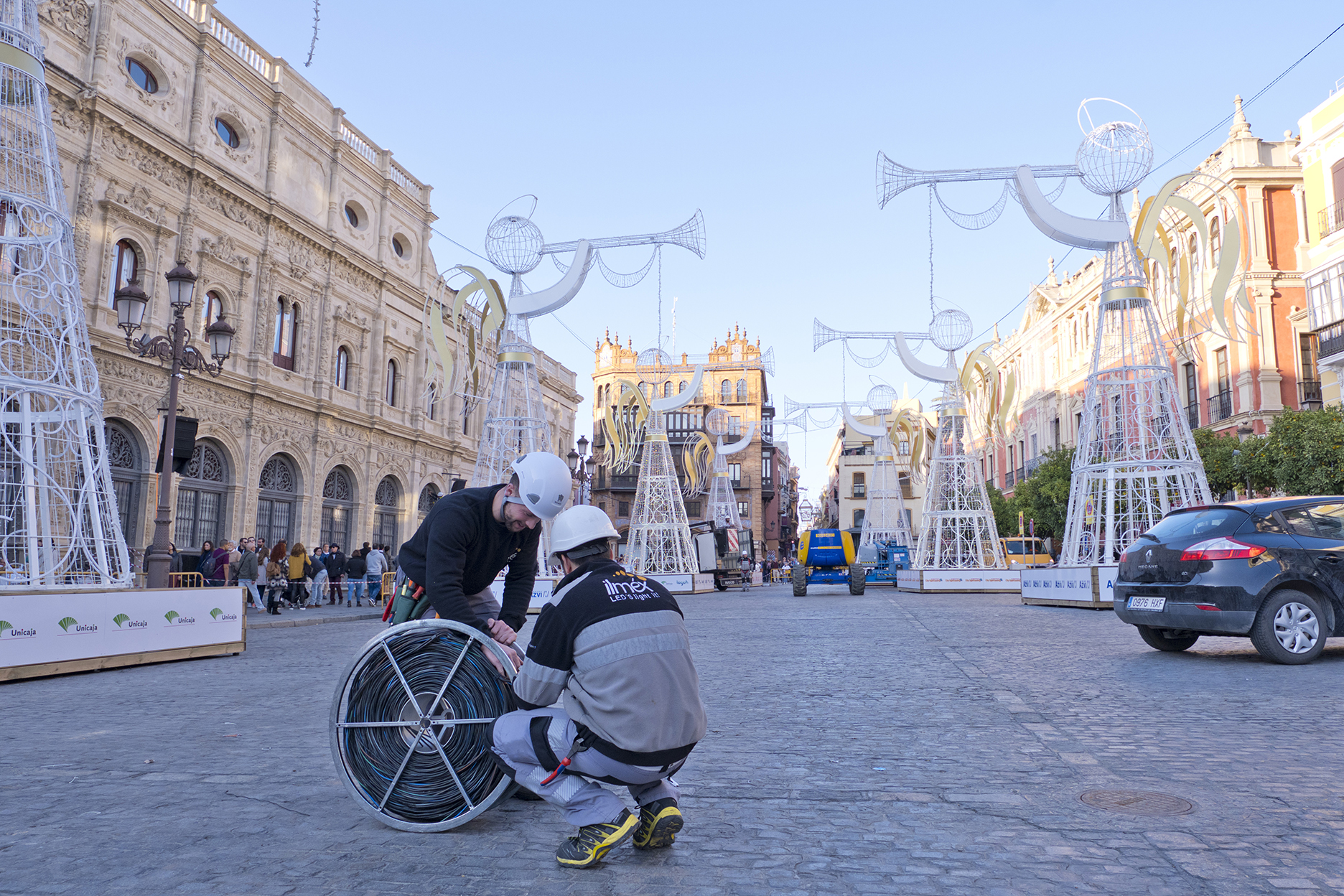
Decorative lighting projects involve design, manufacturing, logistics, and installation phases that must be carefully coordinated.
Waiting until the last minute limits customization options and reduces the scope for developing tailored proposals.
Planning ahead allows you to optimize resources and achieve better results.
The Value of a Comprehensive Service
One of the key factors that sets leading companies in the industry apart is their ability to support the client throughout the entire project lifecycle.
Working with a provider that offers a comprehensive service simplifies management, improves coordination between teams, and ensures greater consistency across all phases of the installation.
This approach avoids the need for multiple points of contact and makes it easier to meet deadlines, stay within budget, and achieve objectives.
A comprehensive service typically includes:
- Consulting.
- Creative concept development.
- Technical design.
- In-house manufacturing.
- Logistics management.
- Installation.
- Commissioning.
- Training, if necessary.
- Preventive maintenance.
- After-sales service.
Having a single strategic partner for all these phases provides peace of mind and allows the client to focus on the overall management of the project.
ILMEX: Your 360° Decorative Lighting Solution
At ILMEX, we understand that every project represents an opportunity to transform a space and create an experience that connects with people.
That’s why we approach every installation from a holistic perspective, combining creativity, engineering, manufacturing, and technical expertise to develop fully customized solutions.
Our experience with national and international projects allows us to adapt to the needs of cities, shopping centers, hotels, public spaces, resorts, and companies seeking to use lighting as a means of standing out.
From the initial concept to the final installation, we work closely with the client to ensure that every project reflects their identity, meets their objectives, and provides lasting value.
Innovation, manufacturing quality, sustainability, and design are all integral to our approach to decorative lighting.
Because a good project doesn’t just illuminate a space.
It transforms it. Contact us!